Electric Car vs Gas Car: True Cost Comparison 2026
Electric car vs gas car cost over five years: purchase price, fuel, maintenance, insurance, and depreciation compared with real numbers for the Tesla Model 3,

Photo: Pexels
Purchase price: the EV premium is shrinking
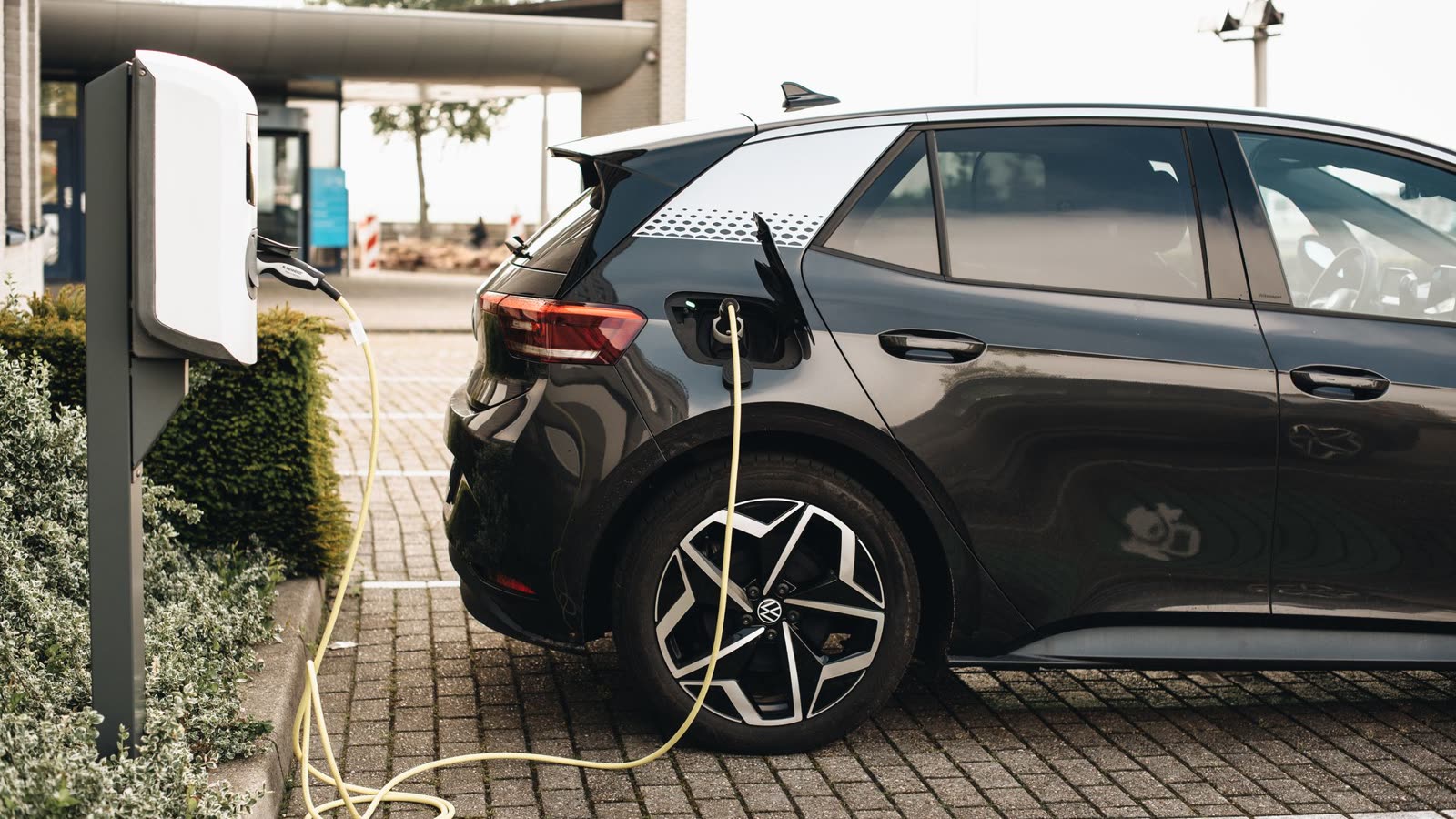
In 2026, the average new electric car costs about $55,000, while the average new gas car costs about $48,000 — a gap of roughly $7,000. But averages hide the real story: the cheapest EVs now start near $35,000, and the federal tax credit of up to $7,500 can erase the premium entirely on qualifying models like the Chevrolet Equinox EV and Tesla Model 3. A home charger is the other half of the EV equation, and it costs far less than most buyers expect.
Compare like for like. A Tesla Model 3 Rear-Wheel Drive starts near $38,000, while a comparably equipped gas sedan like the Honda Accord starts near $29,000. That $9,000 gap narrows to about $1,500 after the tax credit, and the Model 3 is quicker and cheaper to run. Against a Toyota Camry Hybrid at about $29,000, the EV premium is harder to justify on price alone — the Camry's 47 mpg makes it a strong competitor.
Used EVs are now genuine bargains. A three-year-old Tesla Model 3 or Chevrolet Bolt EUV often sells for $18,000 to $24,000, and the used-EV tax credit of up to $4,000 applies to cars under $25,000 sold by a dealer. Depreciation hit early EVs hard, which is bad news for first owners and great news for used buyers.
Fuel vs electricity: the EV saves about $1,000 a year
The average American drives about 12,000 miles a year. In a gas car that gets 30 mpg at $3.50 a gallon, that costs $1,400 a year in fuel. An EV using 0.3 kWh per mile charged at home at $0.16 per kWh costs about $576 a year. The saving is roughly $800 to $900 a year, and it grows if gas prices rise or you charge overnight on a cheaper time-of-use rate. A fuel cost calculator makes this comparison easy: enter your mileage, your electricity rate, and your local gas price to see your exact yearly saving.
Public fast charging changes the math. At $0.40 to $0.50 per kWh, an EV costs about $1,440 to $1,800 a year for the same mileage — roughly the same as gas. The fuel saving only exists if you charge at home most of the time. Drivers who cannot charge at home and rely on fast chargers should budget fuel costs similar to a gas car.
Over five years and 60,000 miles, home charging saves about $4,000 to $4,500 versus a 30-mpg gas car. Against a 45-mpg hybrid like the Toyota Prius, the saving shrinks to about $1,500 over five years, because the hybrid sips fuel. The bigger the gas car's appetite, the bigger the EV's advantage: versus a 20-mpg SUV, the EV saves more than $9,000 over five years.
Maintenance: EVs cost about half as much
An EV has no oil to change, no spark plugs, no exhaust system, no timing belt, and no transmission fluid in the conventional sense. The main maintenance items are tires, cabin air filters, wiper blades, and brake fluid. Regenerative braking means brake pads often last 100,000 miles or more. Studies by Consumer Reports and others put EV maintenance at roughly half the cost of a gas car — about $0.03 per mile versus $0.06 per mile.
Over five years, that works out to roughly $1,800 in maintenance for an EV versus $3,600 for a gas car, a saving of about $1,800. The biggest EV maintenance cost is tires: EVs are heavy and torquey, so tires wear faster. Budget $800 to $1,200 for a set every 30,000 to 40,000 miles, versus 45,000 to 60,000 miles on a gas car.
The fear that an EV battery will fail and cost $15,000 is mostly unfounded. Batteries are warrantied for 8 years or 100,000 miles, and real-world data shows capacity loss of only 10 to 20 percent after 100,000 miles. Out-of-warranty battery replacement is expensive, but it is rare, and battery prices have fallen by about 80 percent over the past decade.
Insurance and depreciation: where gas cars fight back
Insurance is the EV's weak spot. EVs cost 15 to 25 percent more to insure than comparable gas cars, because repairs are more expensive — especially battery-adjacent body damage — and fewer shops can do the work. A Tesla Model 3 can cost $200 to $300 a month to insure for a typical driver, versus $130 to $180 for a Honda Accord. Over five years, that is $2,000 to $4,000 extra.
Depreciation cuts both ways. New EVs have depreciated faster than gas cars in recent years, partly because of price cuts from Tesla and other makers. A new EV can lose 40 to 50 percent of its value in three years, versus about 35 percent for a gas car. That hurts new-EV buyers but makes used EVs excellent value.
Registration fees can also be higher. About 40 states charge EV owners an extra annual fee of $50 to $250 to replace lost gas-tax revenue. It is a modest amount — roughly $100 a year in most states — but it nibbles at the fuel savings. Check your state's EV fee before you buy.
Five-year total cost: the verdict by scenario
Scenario one: a commuter who charges at home. A Chevrolet Equinox EV at $35,000, minus the $7,500 credit, costs $27,500. Over five years, add $2,900 in electricity, $1,800 in maintenance, and $9,000 in insurance — about $41,200. A Honda CR-V at $32,000 costs $7,000 in gas, $3,600 in maintenance, and $7,500 in insurance — about $50,100. The EV wins by nearly $9,000.
Scenario two: a driver who cannot charge at home and uses public fast chargers. The same Equinox EV's fuel cost rises to about $7,200, and the total reaches about $45,500 — still cheaper than the CR-V, but only by about $4,600. If that driver also pays higher insurance, the gap narrows further.
Scenario three: a hybrid comparison. A Toyota RAV4 Hybrid at $33,000, getting 40 mpg, costs about $5,250 in gas over five years, $3,000 in maintenance, and $7,500 in insurance — about $48,750. The Equinox EV at $41,200 still wins, but the hybrid is close enough that buyers who value range and refueling convenience may reasonably choose it.
So, is an EV cheaper than a gas car?
For most buyers who can charge at home, yes — an EV is cheaper over five years, and the advantage grows the longer you keep the car. The tax credit, the fuel savings, and the lower maintenance together outweigh the higher purchase price and insurance. The break-even point is typically around year three or four.
If you cannot charge at home, the case is weaker but still often positive, especially against gas SUVs and trucks. The deciding factors become your local electricity and gas prices, your annual mileage, and whether the EV you want qualifies for the tax credit.
The cheapest option of all remains a used EV. A three-year-old Chevrolet Bolt EUV at $18,000 with the used-EV credit can cost less than $15,000, and its running costs are a fraction of a gas car's. For a second car or a commuter, it is hard to beat on pure economics.
Frequently asked questions
Are electric cars cheaper than gas cars overall?
Over five years, yes for most buyers who charge at home. A Chevrolet Equinox EV with the tax credit costs about $9,000 less over five years than a comparable Honda CR-V, thanks to cheaper fuel and maintenance. The advantage shrinks if you rely on public fast charging or compare against a fuel-efficient hybrid.
How much do you save on gas with an EV?
Driving 12,000 miles a year, an EV charged at home costs about $576 in electricity versus about $1,400 in gas for a 30-mpg car — a saving of roughly $800 a year. Over five years that is about $4,000, and more if gas prices rise.
Are EVs more expensive to insure?
Yes, typically 15 to 25 percent more than a comparable gas car, because repairs cost more and fewer shops handle EV bodywork. Get insurance quotes on the specific EV before you buy, since rates vary widely by model — Teslas are among the most expensive to insure.
How long until an EV pays for itself?
With the federal tax credit and home charging, most EVs break even against a comparable gas car in three to four years. Without the credit, break-even takes about five to six years. The longer you keep the car and the more miles you drive, the better the EV's economics.
Do EVs depreciate faster than gas cars?
In recent years, yes — new EVs have lost 40 to 50 percent of their value in three years, versus about 35 percent for gas cars, partly due to manufacturer price cuts. That makes used EVs excellent buys, with three-year-old models often selling for half their original price.
What is the cheapest EV to own in 2026?
The Chevrolet Equinox EV is the cheapest mainstream EV to own, starting near $35,000 and qualifying for the $7,500 tax credit. On the used market, a Chevrolet Bolt EUV at $18,000 to $22,000 with the used-EV credit is the lowest-cost EV ownership option available.
Car prices and estimates on this page change often and are based on public information available in November 2026. Always verify the price, features and availability with a dealer before you buy. This article is for general information only and is not financial advice. Read the full Disclaimer.