Best Sedans of 2026
The best sedans of 2026, ranked by price, fuel economy, safety, and value — from the $23,000 Nissan Sentra and Honda Civic to the Toyota Camry Hybrid, Hyundai
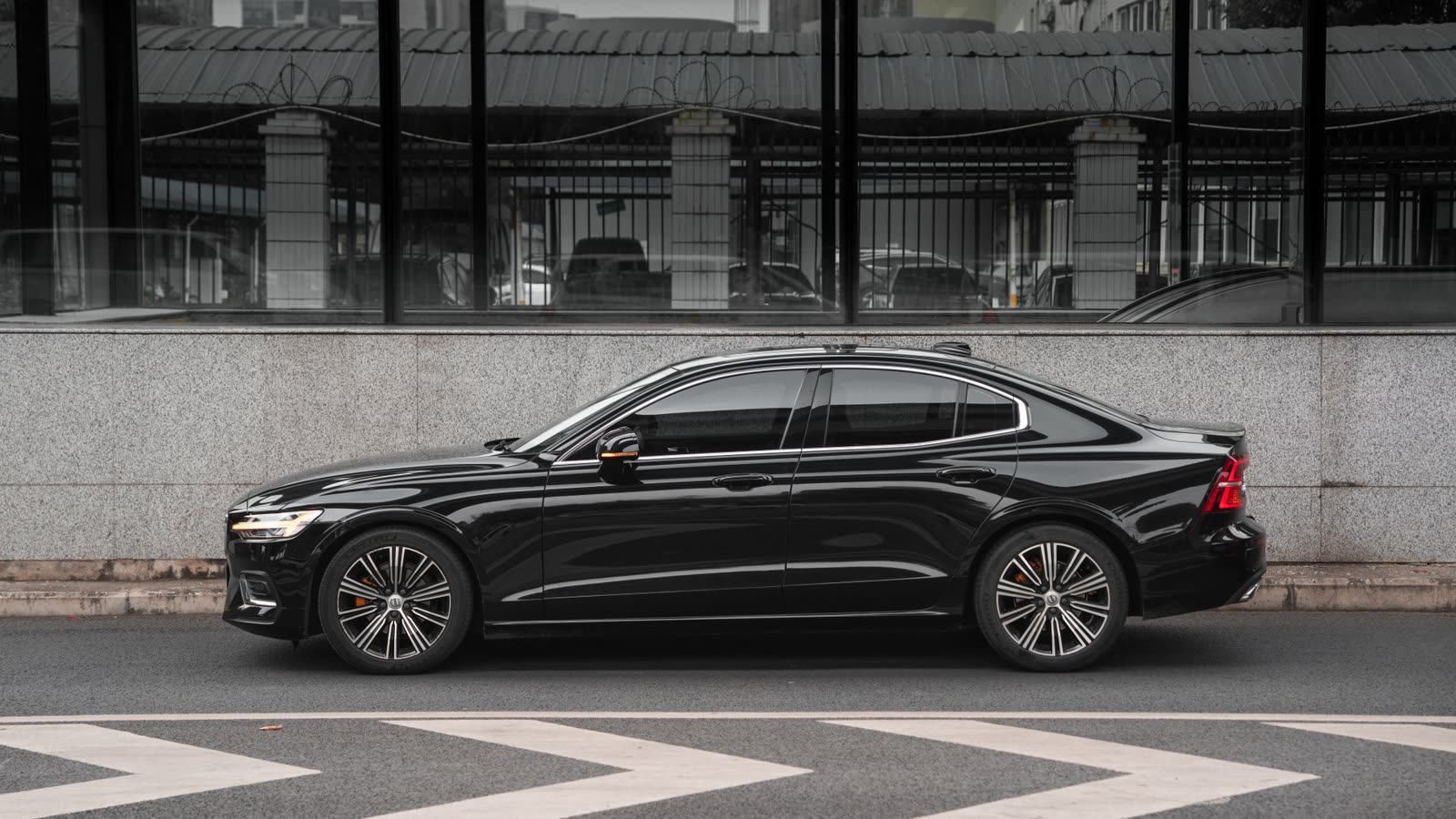
Photo: Pexels
Why sedans still make sense in 2026
SUVs get the attention, but sedans remain the smartest buy for most drivers. A sedan costs $5,000 to $10,000 less than a comparable SUV, gets 5 to 10 mpg better fuel economy, handles better, and is easier to park. The average new sedan costs about $30,000, while the average new SUV costs about $40,000 — and that gap buys a lot of gas and insurance savings. A loaded mainstream car can match a base luxury car on features, so compare the two before assuming the badge is worth the premium.
Sedans have also closed the practicality gap. A Honda Civic's trunk holds 14.8 cubic feet, and the rear seat folds to carry longer items. The Toyota Camry's trunk holds 15.1 cubic feet. For a couple or a small family, that is enough for a weekly shop, a stroller, and luggage for a weekend trip.
Safety is no longer a reason to buy an SUV. Modern sedans earn the same IIHS Top Safety Pick+ ratings as SUVs, and their lower center of gravity makes them less likely to roll over. The idea that a bigger vehicle is automatically safer is outdated — what matters is the crash-test rating and the driver-assist features, and sedans match SUVs on both.
Toyota Camry: the best sedan overall
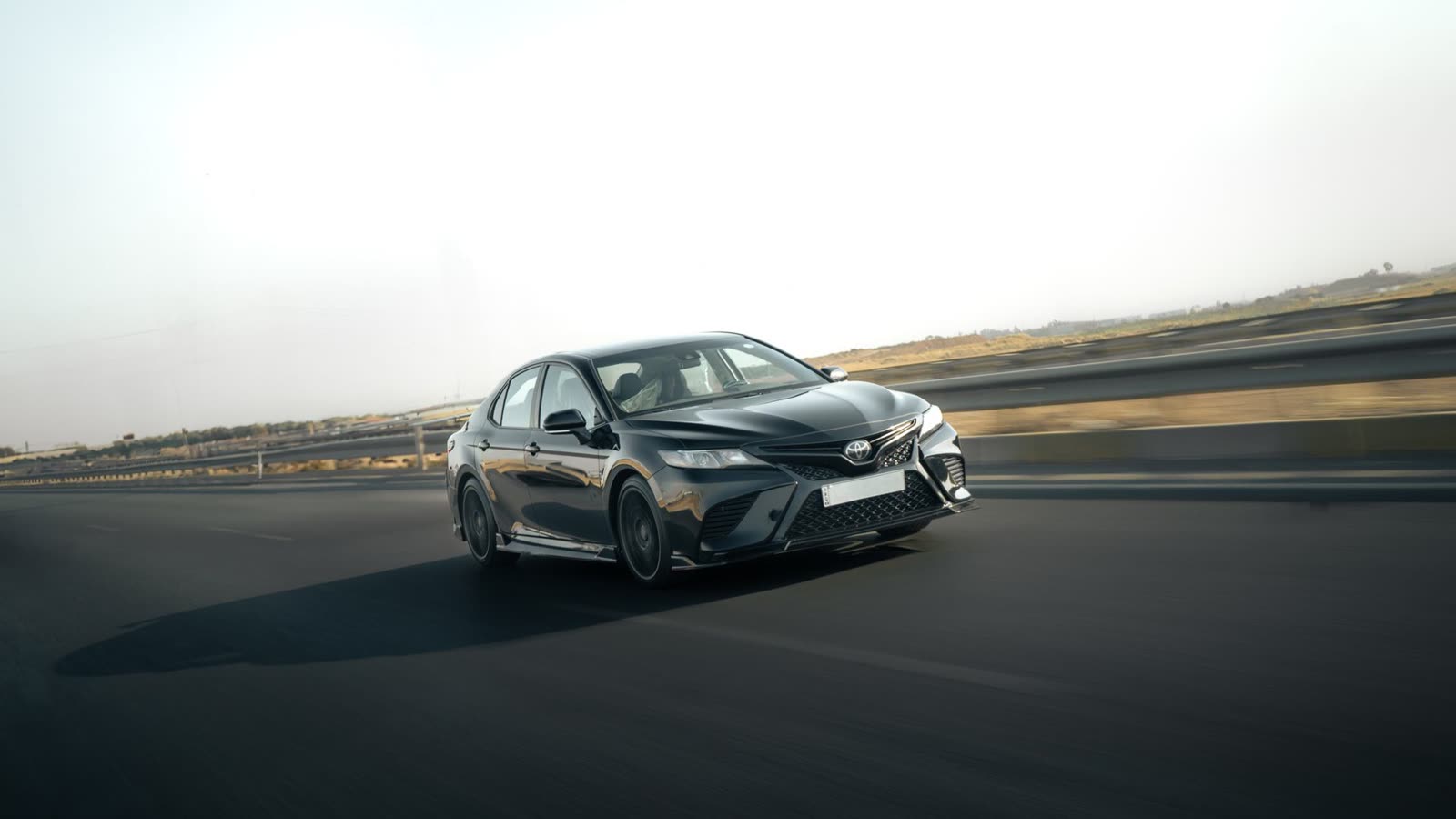
The 2026 Toyota Camry starts at about $29,000 and is now hybrid-only, which is great news for buyers. Every Camry gets a 2.5-liter hybrid powertrain making 225 horsepower and delivering 47 mpg combined — 51 mpg in the LE trim. That is better fuel economy than most compact cars, in a comfortable midsize sedan.
The Camry is quiet, comfortable, and roomy, with 38 inches of rear legroom and a 15.1-cubic-foot trunk. Toyota Safety Sense 3.0 is standard, including adaptive cruise control, lane-keeping assist, and blind-spot monitoring. The SE trim at about $31,000 adds sportier styling and a larger touchscreen, and it is the trim most buyers should choose.
Reliability is the Camry's superpower. Camrys routinely pass 200,000 miles with basic maintenance, and resale value is among the best in the class. The only real weakness is driving excitement — the Camry is competent and comfortable, but it will not thrill you on a winding road. For most buyers, that is a fair trade.
Honda Civic: the best compact sedan
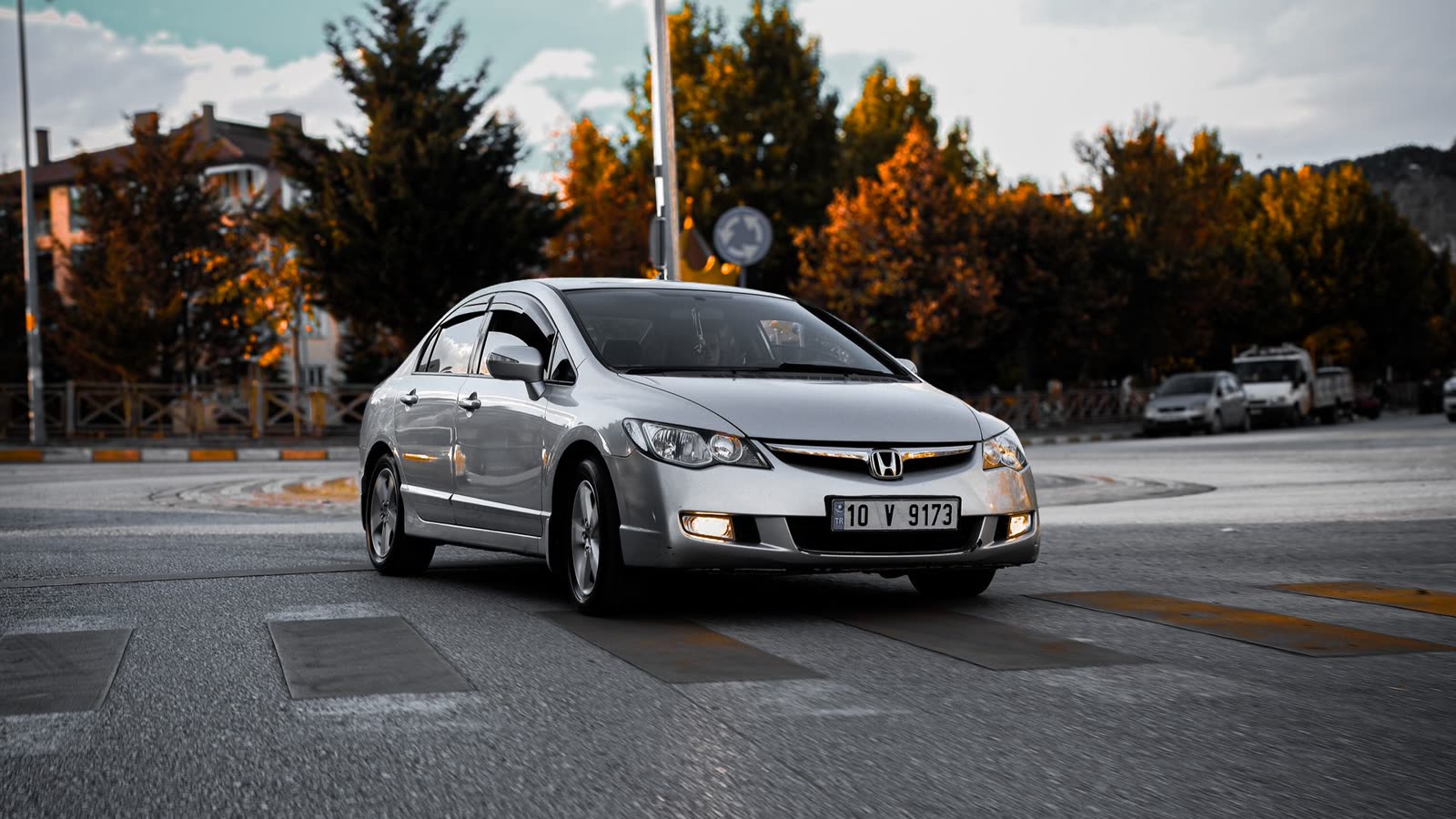
The 2026 Honda Civic starts at about $25,000, and the Sport Hybrid at about $29,000 is the pick, with 200 horsepower and 49 mpg combined. The Civic is the most fun to drive in its class, with precise steering, a well-tuned suspension, and a cabin that feels more expensive than its price.
The Civic sedan offers 14.8 cubic feet of trunk space and 37 inches of rear legroom — enough for two adults in the back. Honda Sensing is standard, including adaptive cruise control and lane-keeping assist. The Civic also earns an IIHS Top Safety Pick+ rating, and its resale value is the best among compact cars.
The Civic's weakness is road noise at highway speed, which is louder than the Camry's, and the base 2.0-liter engine's 150 horsepower feels slow when merging. The hybrid fixes the power problem and adds fuel economy, which is why it is worth the $3,000 premium. If you want a sedan that is fun and frugal, the Civic Hybrid is the answer.
Hyundai Sonata and Nissan Sentra: value at both ends
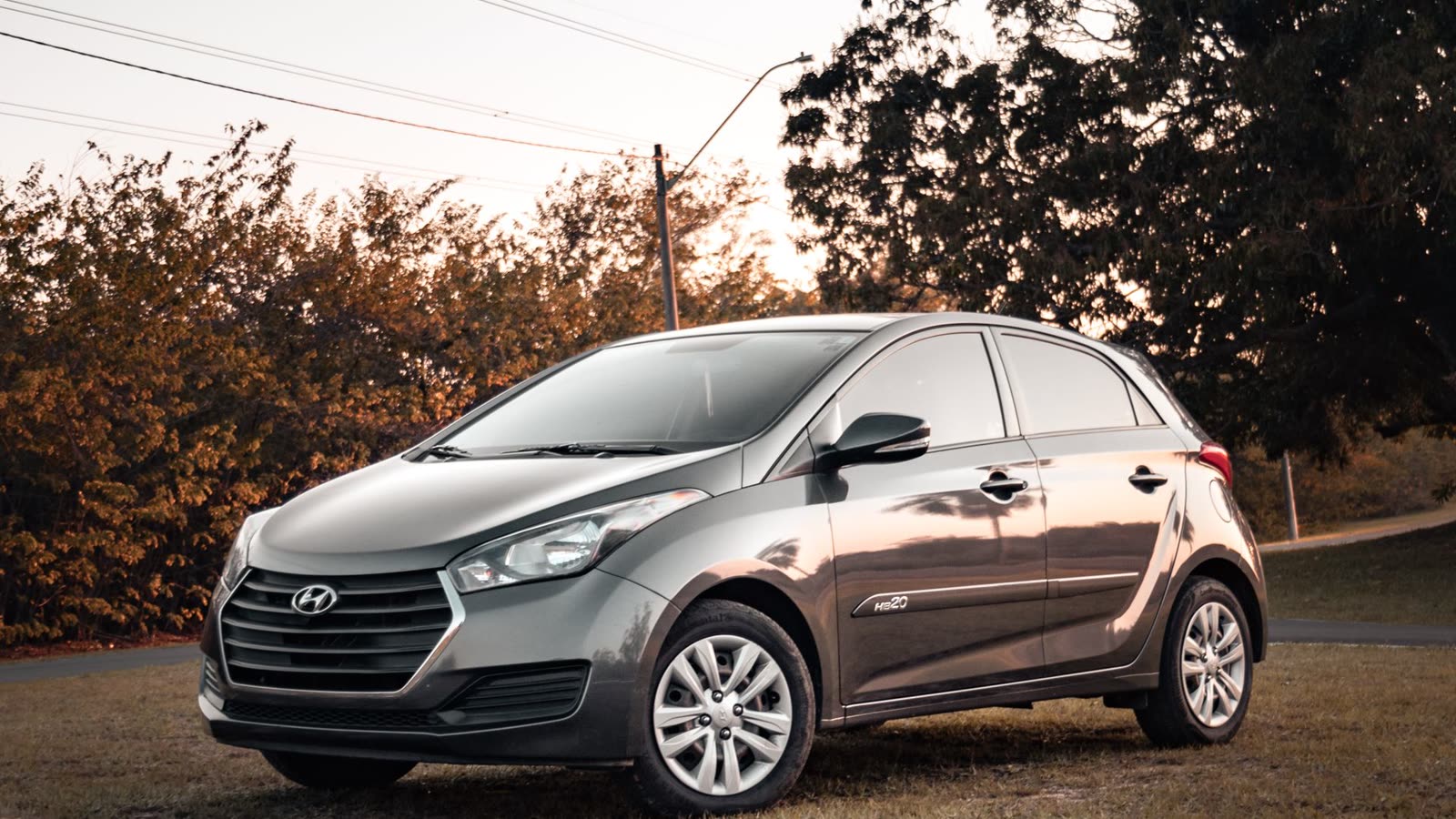
The 2026 Hyundai Sonata starts at about $28,000 and is the most stylish sedan in the midsize class, with a sleek fastback profile and a high-tech interior. The SEL trim at about $30,000 includes a 12.3-inch touchscreen, wireless Apple CarPlay, and Hyundai's excellent driver-assist suite. The Sonata Hybrid delivers 47 mpg combined, matching the Camry, and the N Line trim adds 290 horsepower for buyers who want speed.
The Nissan Sentra, starting near $23,000, is the cheapest good sedan you can buy new in 2026. The SV trim at about $24,000 includes adaptive cruise control, blind-spot monitoring, and a 7-inch touchscreen. The Sentra gets 34 mpg combined and offers a surprisingly roomy cabin, though the 149-horsepower engine is slow and the CVT transmission drones under hard acceleration.
The Mazda3 sedan, starting near $24,000, is the premium-feeling compact, with the nicest interior in the class and engaging handling. It gets 31 mpg combined and offers available all-wheel drive — the only compact sedan that does. The rear seat is tight, so it suits couples and singles more than families.
Sedans vs SUVs: the honest comparison
A Toyota Camry at $29,000 and 47 mpg versus a Toyota RAV4 at $30,000 and 30 mpg: the Camry saves about $700 a year in fuel over 15,000 miles, costs less to insure, and is quieter and more comfortable on the highway. The RAV4 offers more cargo space, a higher seating position, and available all-wheel drive. For a driver who does not need the extra cargo space or all-wheel drive, the sedan wins on economics.
The SUV's advantages are real but narrow. The higher seating position helps older drivers get in and out, and the hatchback-style cargo area swallows bulky items that will not fit in a sedan trunk. All-wheel drive matters in snowy states. But for the majority of American drivers, a sedan does everything an SUV does for less money.
Resale value favors the Camry and Civic, which hold value better than most SUVs. A five-year-old Camry retains about 60 percent of its value, while a five-year-old midsize SUV retains about 55 percent. The sedan's lower purchase price and better fuel economy make it the lower-cost choice over five years in almost every comparison.
Which sedan should you buy?
For most buyers, the Toyota Camry LE or SE is the best sedan in 2026: 47 mpg, a comfortable ride, top safety ratings, and legendary reliability, starting near $29,000. If you want a smaller, sportier sedan, the Honda Civic Sport Hybrid at about $29,000 delivers 49 mpg and the most fun in its class.
If your budget is tight, the Nissan Sentra SV at about $24,000 is the cheapest good new sedan, and the Mazda3 at about $24,000 is the most premium-feeling compact. If you want style and technology, the Hyundai Sonata SEL at about $30,000 is the pick. Also compare insurance quotes before you buy, since a Camry typically costs about $130 to $160 a month to insure, while a sportier Sonata N Line can cost $30 more per month. Test drive the Camry and the Civic back to back — the right one will be obvious within ten minutes.
Frequently asked questions
What is the best sedan to buy in 2026?
The Toyota Camry is the best sedan overall, starting near $29,000 with 47 mpg from its standard hybrid powertrain, top safety ratings, and excellent reliability. The Honda Civic Sport Hybrid is the best compact sedan, with 49 mpg and the most engaging drive in its class.
Are sedans cheaper than SUVs?
Yes. A comparable sedan costs $5,000 to $10,000 less than an SUV, gets 5 to 10 mpg better fuel economy, and costs less to insure. Over five years, a Toyota Camry costs about $5,000 less to own than a Toyota RAV4, while offering similar passenger space.
What is the most fuel-efficient sedan?
The Honda Civic Hybrid leads at 49 mpg combined, followed by the Toyota Camry at 47 mpg and the Hyundai Sonata Hybrid at 47 mpg. The Tesla Model 3 is the most efficient sedan overall, using the equivalent of about 130 mpg, but it is an electric car with a higher purchase price.
Is the Toyota Camry a good car?
Yes. The 2026 Camry is hybrid-only, delivering 47 mpg, a quiet and comfortable ride, standard Toyota Safety Sense 3.0, and a reputation for 200,000-mile reliability. It starts near $29,000 and holds its value better than almost any other sedan.
How much does a Honda Civic cost in 2026?
The 2026 Honda Civic sedan starts at about $25,000, and the Sport Hybrid — the trim most buyers should choose — starts near $29,000. The top Sport Touring Hybrid is about $32,000. All Civics include Honda Sensing safety features as standard.
Should I buy a sedan or a hatchback?
A hatchback like the Honda Civic Hatchback or Toyota Corolla Hatchback offers more cargo versatility for the same price and similar fuel economy, while a sedan is quieter and often slightly cheaper. If you carry bulky items regularly, the hatchback wins; if you value a quiet cabin and a lower price, buy the sedan.
Car prices and estimates on this page change often and are based on public information available in November 2026. Always verify the price, features and availability with a dealer before you buy. This article is for general information only and is not financial advice. Read the full Disclaimer.