2026 Tesla Model 3 Review: Range King, Still Polarizing
2026 Tesla Model 3 review: 363 miles of range, the Supercharger network, and a $38,000 starting price — plus the minimalist cabin and insurance costs you need
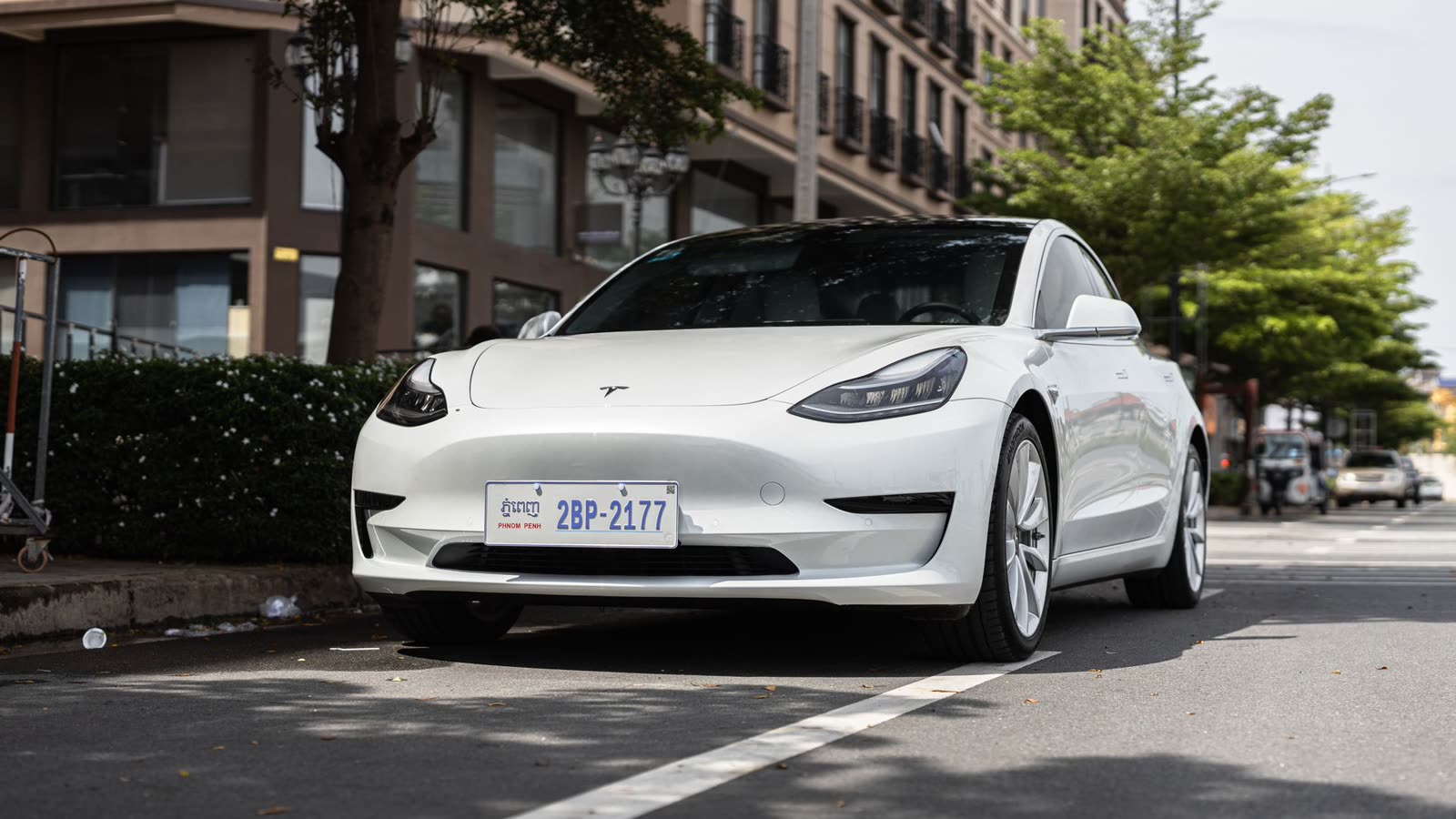
Photo: Pexels
The 2026 Model 3: range, price, and the network
The 2026 Tesla Model 3 remains the electric car to beat on range per dollar. The Rear-Wheel Drive model starts near $38,000 with an EPA-estimated 341 miles of range, and the Long Range starts at about $42,500 with 363 miles — the longest range of any EV under $45,000. The Performance model, at about $48,000, adds 510 horsepower and reaches 60 mph in 2.9 seconds.
The Supercharger network is the Model 3's biggest advantage. With over 30,000 Superchargers in North America, Tesla's network is larger and more reliable than any rival's, and the Model 3 charges at up to 250 kW, adding about 175 miles in 15 minutes. For road trips, no other EV is as easy to live with.
The Model 3's efficiency is unmatched: it uses about 0.25 kWh per mile, versus 0.30 or more for most rivals. That efficiency is why the Model 3 goes further on a smaller battery, and why it costs less to charge. Driving 12,000 miles a year costs about $480 in electricity at home rates.
Trims and pricing: Long Range is the pick
The Rear-Wheel Drive Model 3, at about $38,000, offers 341 miles of range and 0 to 60 mph in 5.8 seconds. It is the value pick, and it is quick enough for any driver. The single motor and smaller battery keep the price down, and the range is more than enough for daily driving and road trips.
The Long Range, at about $42,500, adds all-wheel drive, 363 miles of range, and 0 to 60 mph in 4.9 seconds. The $4,500 premium buys 22 more miles of range, all-wheel drive for snow and rain, and noticeably quicker acceleration. For most buyers, the Long Range is the right choice — the extra range removes range anxiety entirely.
The Performance, at about $48,000, adds 510 horsepower, adaptive suspension, larger brakes, and a track mode. It is the fastest car under $50,000, and it is genuinely fun on a winding road. But the Performance's range drops to about 296 miles, and its larger wheels and stickier tires wear faster and cost more to replace.
Interior: minimalist to a fault
The Model 3's interior is a single 15.4-inch touchscreen and almost nothing else. There is no gauge cluster, no head-up display, and almost no physical buttons — the mirrors, the glovebox, the wipers, and even the gear selection run through the screen. The design is clean and modern, and the cabin feels spacious thanks to the glass roof and the flat floor.
The materials are good but not luxurious. The seats are comfortable and supportive, the vegan leather feels durable, and the cabin is quiet at highway speed. But the build quality can be inconsistent — panel gaps, trim alignment, and paint finish vary from car to car, and it is worth inspecting your specific car carefully at delivery.
The touchscreen is the best in the industry: fast, responsive, and packed with features, from a superb navigation system with Supercharger routing to games, streaming, and a sentry-mode camera system. But the lack of physical controls is a real drawback — adjusting the mirrors or the wipers while driving requires looking at the screen, which is distracting. Test drive one before you buy, because the interface is the most divisive part of the car.
Driving the Model 3: quick, quiet, and composed
The Model 3 is quick in every trim, and the Long Range's 4.9-second 0-to-60 time feels faster than the number suggests, thanks to the instant electric torque. The car is quiet at highway speed, the ride is comfortable on the standard suspension, and the handling is precise and composed. The low center of gravity — the battery sits under the floor — makes the car feel planted in corners.
Autopilot comes standard, with adaptive cruise control and lane-centering that work well on highways. Full Self-Driving is available for $8,000 or a $99 monthly subscription, and it adds automatic lane changes, traffic-light recognition, and city-street driving. It is impressive technology, but it still requires constant driver attention, and it is not worth $8,000 for most buyers.
The Model 3's brakes are strong, and regenerative braking means you rarely need the brake pedal in normal driving. One-pedal driving is intuitive after a day, and it extends brake life dramatically — many Model 3 owners report original brake pads lasting 100,000 miles or more.
Running costs, insurance, and reliability
Running costs are low. Electricity for 12,000 miles a year costs about $480 to $700 at home rates, maintenance is minimal — no oil changes, no transmission service, and brakes that last for years — and Tesla's mobile service can handle many repairs at your home or office. The main maintenance costs are tires, which wear faster than average because of the car's weight and torque.
Insurance is the Model 3's weak point. It costs 20 to 30 percent more to insure than a comparable gas sedan, with typical premiums of $200 to $300 a month. Repair costs after an accident are also high, because Tesla parts are expensive and fewer shops can do the work. Get an insurance quote before you buy — the premium can change the total cost of ownership significantly.
Reliability is average. The Model 3's electric powertrain is durable, and the battery is warrantied for 8 years or 120,000 miles, but the car has more than its share of minor issues: trim rattles, software glitches, and inconsistent build quality. Tesla's service experience is improving, but it still trails traditional dealers for convenience.
Verdict: the best EV for most buyers, with caveats
The 2026 Tesla Model 3 Long Range is the best electric car for most buyers. It offers the longest range under $45,000, the best charging network in America, the lowest running costs, and performance that embarrasses gas cars costing twice as much. If you can charge at home and you are comfortable with the touchscreen-only interior, it is hard to beat.
The caveats are real: higher insurance, expensive repairs, inconsistent build quality, and an interior that some drivers will never love. The Chevrolet Equinox EV is cheaper, the Hyundai Ioniq 5 charges faster, and the BMW i4 has a nicer cabin. But none of them match the Model 3's combination of range, charging, and price.
Buy the Long Range at about $42,500 for the best balance of range and performance, or the Rear-Wheel Drive at about $38,000 if your budget is tight. Test drive it, check your insurance quote, and inspect the car carefully at delivery. The Model 3 is not perfect, but it is the EV that makes the most sense for the most people.
Frequently asked questions
How much does a 2026 Tesla Model 3 cost?
The 2026 Tesla Model 3 starts near $38,000 for the Rear-Wheel Drive model with 341 miles of range. The Long Range is about $42,500 with 363 miles, and the Performance is about $48,000 with 510 horsepower. Prices change frequently, so check Tesla's website for the current price.
What is the range of the 2026 Tesla Model 3?
The Long Range Model 3 delivers an EPA-estimated 363 miles, the Rear-Wheel Drive delivers 341 miles, and the Performance delivers about 296 miles. Real-world range is typically 10 to 20 percent lower in cold weather or at sustained highway speeds.
Is the Tesla Model 3 reliable?
Reliability is average. The electric powertrain and battery are durable, with an 8-year, 120,000-mile battery warranty, but the Model 3 has more than its share of minor issues like trim rattles and software glitches. Build quality varies from car to car, so inspect yours carefully at delivery.
How much does it cost to insure a Tesla Model 3?
Insurance for a Model 3 typically runs $200 to $300 a month, which is 20 to 30 percent more than a comparable gas sedan like the Honda Accord. Get a quote before you buy, since rates vary widely by location, driver age, and driving record.
Can the Model 3 use non-Tesla chargers?
Yes. The Model 3 uses the NACS connector, and it can charge at Tesla Superchargers and at third-party fast chargers with an adapter. At home, it charges from a standard Level 2 charger, adding about 30 miles of range per hour on a 48-amp circuit.
Is the Model 3 better than the Hyundai Ioniq 5?
The Model 3 has longer range, a better charging network, and a lower price. The Ioniq 5 charges faster at a capable station (10 to 80 percent in 18 minutes), has a more conventional interior with physical controls, and offers more cargo space. Choose the Model 3 for range and charging, the Ioniq 5 for charging speed and cabin comfort.
Car prices and estimates on this page change often and are based on public information available in November 2026. Always verify the price, features and availability with a dealer before you buy. This article is for general information only and is not financial advice. Read the full Disclaimer.