Must-Have Car Accessories for 2026
Must-have car accessories for 2026: all-weather floor mats, phone mounts, dash cams, emergency kits, and organizers — the practical upgrades worth your money,
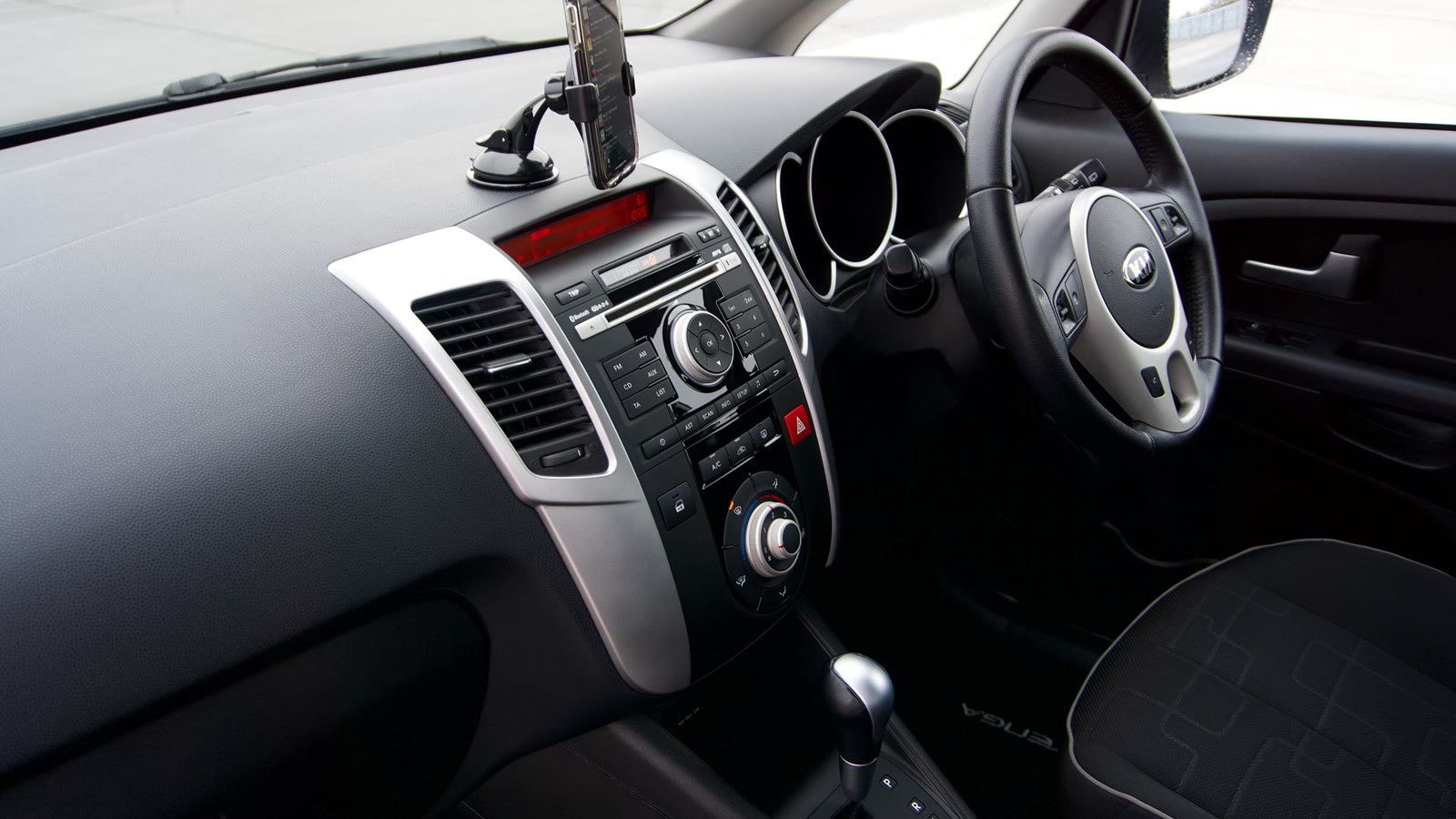
Photo: Pexels
Protect your interior: floor mats and seat covers
All-weather floor mats are the single best accessory for any car. A set of WeatherTech or Husky Liners mats costs $100 to $200, and they protect the carpet from mud, snow, salt, and spills — damage that can cost $500 or more to repair and that reduces the car's resale value. The mats are custom-molded for your car, they trap water and dirt in deep channels, and they are easy to remove and hose off.
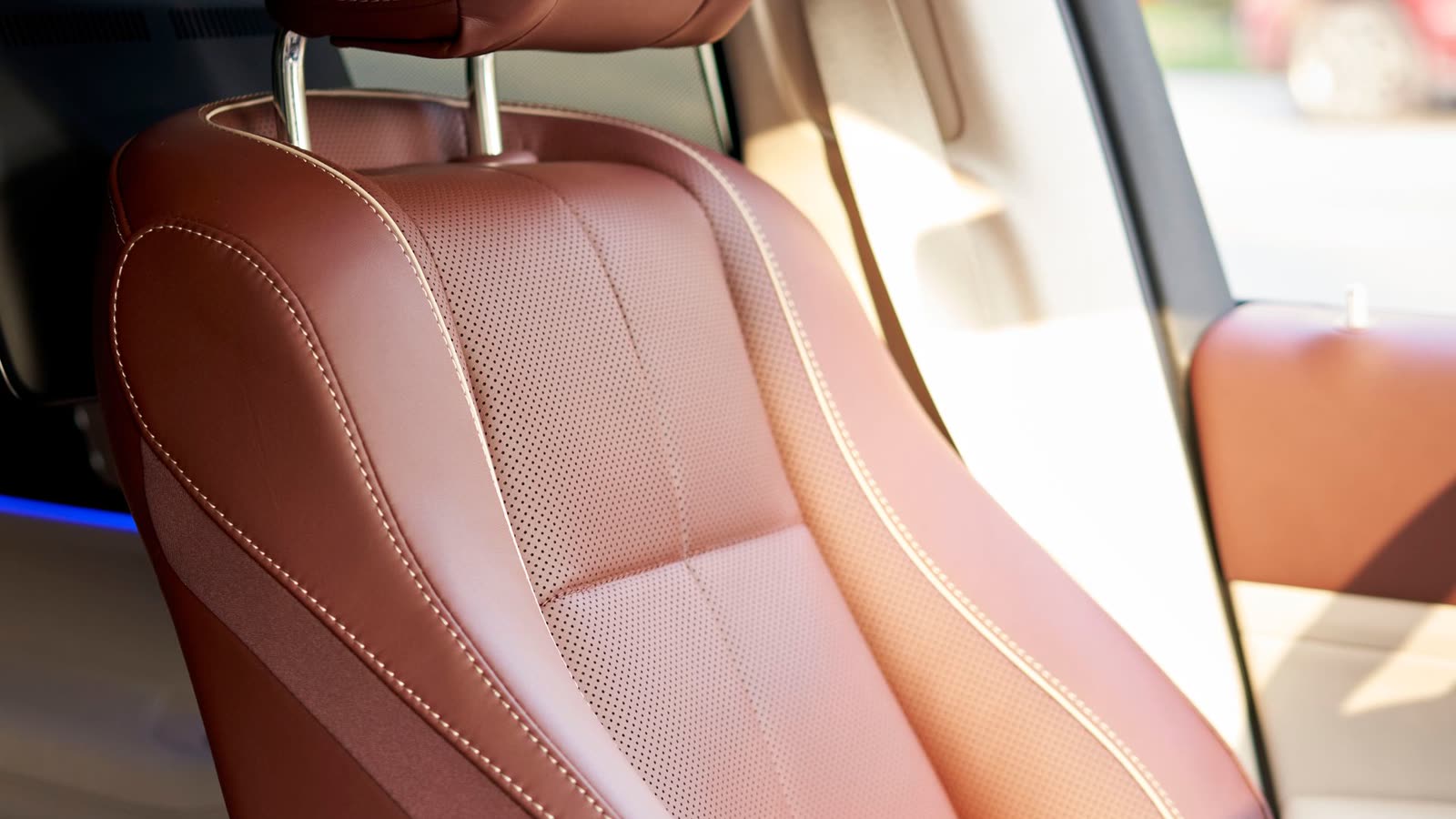
Seat covers are the second-best interior investment, especially if you have kids, pets, or a job that leaves you dirty. A good set of seat covers costs $50 to $150, and they protect the seats from stains, tears, and wear. Neoprene covers are waterproof and durable, while leatherette covers look premium and wipe clean. Avoid universal-fit covers that bunch up and slide — custom-fit covers are worth the extra $30.
A trunk organizer is a small accessory that makes a real difference. A collapsible trunk organizer costs $20 to $30, and it keeps groceries, tools, and sports gear from sliding around. A cargo liner, which costs $50 to $100, protects the trunk carpet from spills and heavy items. Together, they keep the car tidy and protect the interior from the wear that reduces resale value.
Phone mounts and charging: stay connected safely
A phone mount is essential if your car does not have built-in navigation, and it is the safest way to use your phone for directions. A dashboard or vent mount costs $15 to $30, and it positions the phone at eye level so you can glance at the map without looking down. Magnetic mounts are the easiest to use — stick a thin metal plate to the phone or the case, and the phone snaps onto the mount. Avoid suction-cup mounts on the windshield in states where they are restricted.
A car charger is the second essential. A dual-port USB charger costs $10 to $20, and it charges your phone and a passenger's phone simultaneously. A USB-C charger with 30 watts or more charges a modern phone from empty to 50 percent in about 30 minutes. If your car has wireless CarPlay or Android Auto, a wireless charging pad — $25 to $40 — keeps the phone charged without a cable.
A short charging cable is better than a long one. A 3-foot cable is long enough to reach from the port to the mount without tangling, and a braided cable lasts longer than a rubber one. Keep a spare cable in the glovebox, since cables fail at the worst times. The total cost of a mount, a charger, and a cable is under $50, and it is money well spent.
Dash cams and safety accessories
A dash cam is the best safety accessory you can buy. A good front camera costs $100 to $150, and it records what happens on the road — proof that can save you thousands after an accident that was not your fault. The Viofo A119 V3, at about $100, is the best value, with 1440p video and excellent night vision. A dual camera, which adds a rear camera, costs $200 to $250 and is worth it if you can afford it.
An emergency kit is the second safety essential. A basic kit costs $30 to $50 and includes jumper cables, a flashlight, a reflective triangle, a first-aid kit, and a blanket. A more complete kit adds a tire inflator, a multi-tool, and a portable jump starter. Keep the kit in the trunk, and check it once a year to make sure the batteries are fresh and nothing is missing.
A tire pressure gauge is a $10 accessory that saves money every month. Check the tire pressure monthly, and keep the tires at the pressure on the driver's door jamb. Properly inflated tires improve fuel economy by 2 to 3 percent, last longer, and handle better. A digital gauge is more accurate than a pencil gauge, and it costs only a few dollars more.
Comfort and convenience accessories
A sunshade is a $15 to $25 accessory that protects your dashboard and seats from sun damage, and it keeps the cabin cooler in summer. A custom-fit sunshade blocks more light than a universal one, and it folds flat for storage. In hot climates, a sunshade can lower the cabin temperature by 20 degrees or more, which means less air conditioning and better fuel economy.
Seat gap organizers — small pouches that fit between the seat and the center console — cost $10 to $15 for a pair, and they catch the phone, keys, and coins that would otherwise fall into the gap. It is a small thing, but anyone who has fished a phone out of the seat gap at a red light knows it is worth $15.
A portable vacuum, which costs $30 to $50, keeps the car clean without a trip to the car wash. A small handheld vacuum with a crevice tool reaches under the seats and into the cupholders, and it runs off the car's 12-volt outlet or a rechargeable battery. Clean the car every two weeks, and the interior will look new for years.
Accessories to skip
Steering wheel covers are a waste of money for most drivers. A $15 cover can slip, it can interfere with the airbag, and it makes the wheel feel thicker and less precise. If your steering wheel is worn, a professional rewrap costs $100 to $200 and is far better than a slip-on cover.
Seat belt shoulder pads, air vent clips, and dashboard figurines are clutter, not accessories. They add nothing, they can become projectiles in a crash, and they make the car look cheap. Skip the decorative accessories and spend the money on things that protect the car or make driving safer.
Be wary of electronic gadgets that plug into the diagnostic port and promise to improve fuel economy or performance. The EPA has tested these devices and found no measurable benefit, and some can interfere with the car's electronics. If a device promises 20 percent better fuel economy for $50, it is a scam.
The best accessories for your budget
For $50, buy a phone mount, a car charger, and a tire pressure gauge. These three accessories make every drive safer and more convenient, and they cost less than a tank of gas. Add a sunshade for $15 if you live in a hot climate, and a trunk organizer for $20 if you carry groceries or gear.
For $150, add all-weather floor mats and a dash cam. The mats protect the interior, and the dash cam protects you after an accident. These are the two accessories with the highest return on investment, and they pay for themselves the first time they prevent a repair or a disputed claim.
For $300, add seat covers, an emergency kit, and a portable jump starter. At this point, your car is protected, safe, and convenient, and you have spent less than a single dealer service visit. The best accessories are not the flashiest — they are the ones that protect your car, save you money, and make driving easier.
Frequently asked questions
What are the most useful car accessories?
All-weather floor mats, a phone mount, a car charger, a dash cam, and an emergency kit are the most useful accessories. Together they cost about $200 to $300, and they protect your car's interior, keep you connected safely, and provide evidence after an accident.
Are all-weather floor mats worth it?
Yes. A set costs $100 to $200 and protects the carpet from mud, snow, salt, and spills — damage that can cost $500 or more to repair and that reduces resale value. Custom-molded mats from WeatherTech or Husky Liners trap water and dirt, and they are easy to remove and clean.
What is the best dash cam for the money?
The Viofo A119 V3 at about $100 is the best value, with 1440p video and excellent night vision. A dual camera like the Viofo A229 Pro at about $250 adds a rear camera, which is worth it for rear-end collisions. Add a $25 hardwire kit for parking mode.
Do I need a phone mount if my car has CarPlay?
A phone mount is still useful, even with CarPlay, because it positions the phone where you can see it for calls and for apps that do not appear on the car's screen. A dashboard or vent mount costs $15 to $30, and magnetic mounts are the easiest to use.
What should be in a car emergency kit?
Jumper cables, a flashlight, a reflective triangle, a first-aid kit, a blanket, a tire pressure gauge, and a portable jump starter. A basic kit costs $30 to $50, and a complete kit with a jump starter costs $80 to $120. Keep it in the trunk and check it once a year.
Are steering wheel covers safe?
Mostly not. A slip-on steering wheel cover can interfere with the airbag, slip during a turn, and make the wheel feel less precise. If your steering wheel is worn, a professional rewrap for $100 to $200 is safer and looks far better than a $15 cover.
Car prices and estimates on this page change often and are based on public information available in November 2026. Always verify the price, features and availability with a dealer before you buy. This article is for general information only and is not financial advice. Read the full Disclaimer.