Best Dash Cams of 2026
The best dash cams of 2026: front, dual, and 4K cameras with parking mode, GPS, and night vision — from the $100 Viofo A119 to the Garmin Dash Cam Live and
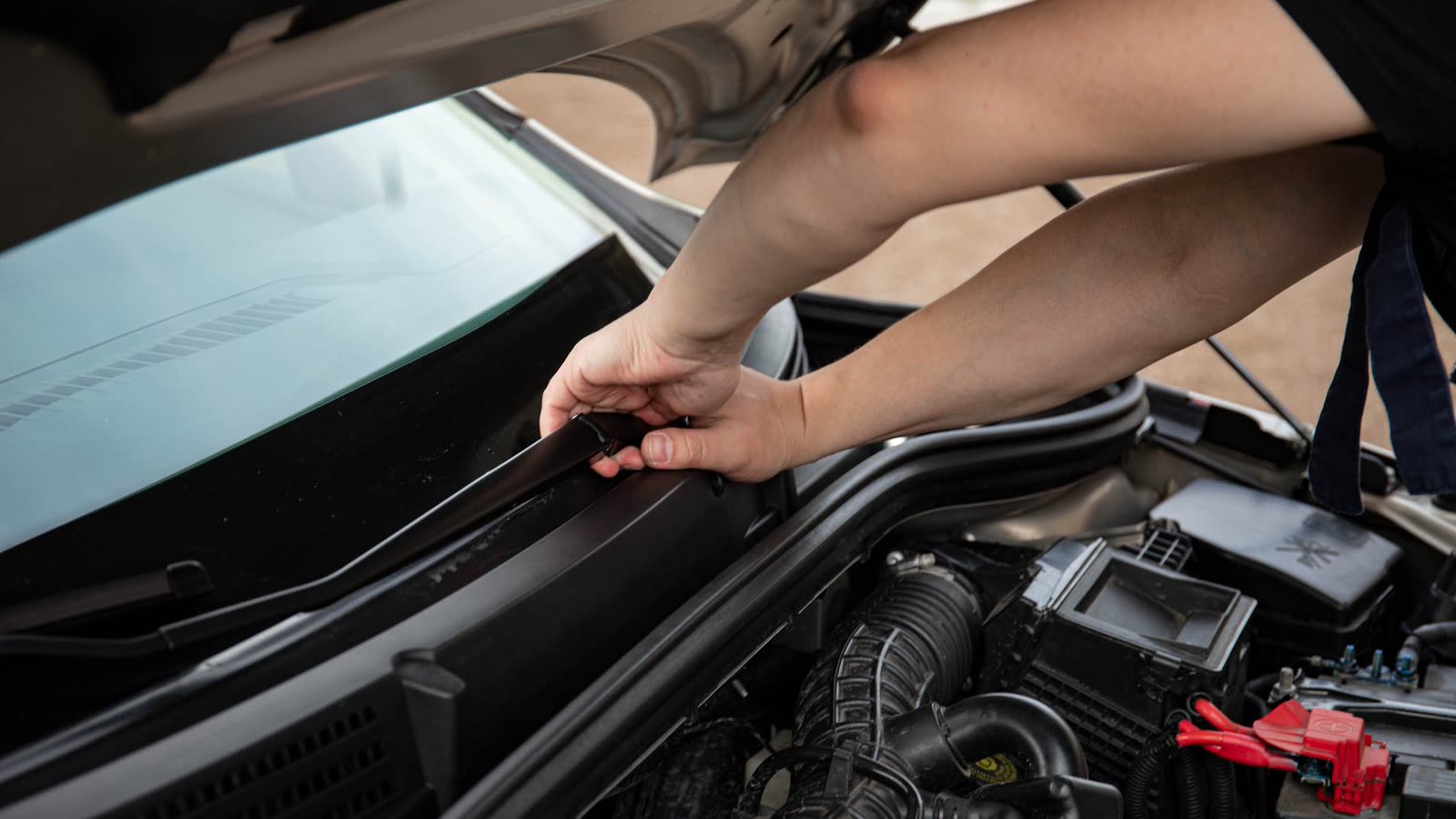
Photo: Pexels
Why you need a dash cam in 2026
A dash cam is the cheapest insurance you can buy for your car. It records what happens on the road, and that footage can prove you were not at fault in an accident, protect you from insurance fraud, and capture a hit-and-run license plate. A $150 dash cam can save you thousands in insurance costs and legal fees, and it can prevent your premium from rising after an accident that was not your fault.
Dash cams are also useful for parking. A camera with parking mode records if someone hits your car while it is parked, or if someone tries to break in. The footage is timestamped and GPS-tagged, which makes it admissible as evidence. Many drivers have caught hit-and-run drivers and vandals because of a dash cam, and the police take dash cam footage seriously.
The technology has improved dramatically. Modern dash cams record in 4K, see clearly at night, connect to your phone over Wi-Fi, and upload footage to the cloud. The best cameras cost $100 to $400, and they install in about 30 minutes with no tools beyond a trim tool and a fuse tap.
What to look for in a dash cam
Video quality is the most important factor. A dash cam should record in at least 1440p, and 4K is better — the higher resolution makes license plates readable at a greater distance, which is the whole point of the camera. Look for a camera with a wide dynamic range sensor, like the Sony STARVIS 2, which handles bright sunlight and dark shadows in the same frame.
Night vision is the second factor. Most accidents happen at night or in low light, and a cheap camera produces grainy, unusable footage after dark. A good dash cam uses a large sensor and a fast lens to capture clear footage at night, and it should be able to read a license plate at 20 feet in darkness. Check sample footage on YouTube before you buy — the difference between a good and a bad night camera is obvious.
Parking mode is the third factor. A dash cam with parking mode records when the car is off, using a hardwire kit that connects to the car's fuse box. It can record on motion detection or on impact, and it draws very little power. A hardwire kit costs $20 to $30, and it is worth installing — without it, the camera only records while you drive.
Viofo A119 V3: the best budget dash cam
The Viofo A119 V3 costs about $100 and is the best dash cam for the money. It records in 1440p at 60 frames per second, with a Sony STARVIS sensor that delivers excellent day and night footage. The camera is small and discreet, it mounts behind the rearview mirror, and it includes GPS for speed and location logging.
The A119 V3 does not have a rear camera or cloud connectivity, but it does everything a front camera should do, and it does it well. The video quality is good enough to read license plates at 30 feet, and the night footage is clear. It uses a supercapacitor instead of a battery, which means it survives extreme heat and cold far better than battery-powered cameras.
The A119 V3 is the pick for drivers who want a reliable front camera without paying for features they will not use. Add a $25 hardwire kit for parking mode, and a $20 microSD card, and you have a complete system for under $150. It is the dash cam we recommend to most people.
Garmin Dash Cam Live and Nextbase 622GW
The Garmin Dash Cam Live costs about $400 and is the best connected dash cam. It records in 1440p, includes GPS, and uploads footage to the cloud over LTE, so you can view live footage from your phone anywhere in the world. It also includes driver alerts for forward collisions and lane departures, and it integrates with the Garmin Drive app for trip logging.
The Live's LTE connection requires a subscription — $10 a month for the basic plan — which is the main drawback. But for drivers who want remote monitoring, parents who want to check on a teen driver, or anyone who parks in a high-risk area, the live view and cloud upload are worth the cost. The video quality is excellent, and Garmin's app is the best in the business.
The Nextbase 622GW costs about $300 and is the best 4K dash cam. It records in true 4K at 30 frames per second, with image stabilization and a polarizing filter that reduces windshield glare. It includes Alexa, emergency SOS that calls for help after a crash, and a rear camera option. The 622GW's 4K footage is the clearest available, and it can read a license plate at 50 feet in daylight.
Dual cameras and rear cameras
A dual dash cam records the front and the rear of the car, which is important if you are rear-ended — the most common type of accident. A rear camera costs $50 to $100 more than a front-only camera, and it is worth it for most drivers. The rear camera mounts on the rear windshield and records in 1080p, which is enough to capture a license plate and the sequence of events.
The Viofo A229 Pro, at about $250, is the best dual dash cam, with 4K front and 2K rear recording, Sony STARVIS 2 sensors on both cameras, and excellent night vision. The Vantrue N4 Pro, at about $300, adds a cabin camera, which is useful for rideshare drivers and parents. The cabin camera records the interior, which can prove who was driving and what happened inside the car.
Installation for a dual camera takes about 45 minutes, because you must run a cable from the front camera to the rear camera along the headliner. It is a straightforward job, and most kits include the cable and the trim tools. If you are not comfortable with the installation, a professional can do it for $100 to $150.
Installation, storage, and the law
Install the dash cam behind the rearview mirror, where it has a clear view of the road and does not block your vision. Route the power cable along the headliner and down the A-pillar, and tuck it behind the trim panels for a clean install. A hardwire kit connects to the fuse box and enables parking mode, and it costs $20 to $30. The whole installation takes 30 to 45 minutes, and there are excellent video guides for every car.
Use a high-endurance microSD card, not a regular card. Dash cams write constantly, and a regular card wears out in a few months. A high-endurance card costs $20 to $30 for 128 GB, which holds about 8 to 10 hours of 1440p footage, and it lasts for years. The camera overwrites the oldest footage automatically, so you never need to manage the card — just check it occasionally to make sure it is recording.
Dash cams are legal in all 50 states, but audio recording is restricted in some states. Twelve states require all parties to consent to audio recording, so disable the microphone if you drive in those states, or check your local law. Windshield mounting is restricted in a few states too — California and Minnesota prohibit mounting anything on the windshield, so use a dashboard mount in those states.
Frequently asked questions
What is the best dash cam in 2026?
The Viofo A119 V3 is the best dash cam for most people, costing about $100 with excellent 1440p video and night vision. The Viofo A229 Pro at about $250 is the best dual camera, and the Nextbase 622GW at about $300 is the best 4K camera. The Garmin Dash Cam Live at about $400 is the best connected camera with cloud upload.
Do I need a front and rear dash cam?
A rear camera is worth the extra $50 to $100, because it records rear-end collisions — the most common type of accident. A dual camera also captures hit-and-run drivers who hit you from behind. If you can afford it, buy a dual camera; if your budget is tight, a front camera is far better than no camera.
How much does a dash cam cost to install?
A dash cam costs $100 to $400 for the camera, $20 to $30 for a hardwire kit, and $20 to $30 for a high-endurance microSD card. DIY installation takes 30 to 45 minutes and requires no special tools. Professional installation costs $100 to $150.
Are dash cams legal?
Yes, dash cams are legal in all 50 states. Audio recording is restricted in 12 states that require all-party consent, so disable the microphone in those states. Windshield mounting is restricted in California and Minnesota — use a dashboard mount there.
What is parking mode on a dash cam?
Parking mode records when the car is off, using a hardwire kit connected to the fuse box. It records on motion detection or impact, so it captures hit-and-run drivers and vandals while you are away. A hardwire kit costs $20 to $30 and draws very little power, so it will not drain your battery.
How long does dash cam footage last?
A 128 GB high-endurance microSD card holds about 8 to 10 hours of 1440p footage or 4 to 5 hours of 4K footage. The camera overwrites the oldest footage automatically, so you never need to manage the card. Important clips can be locked manually or automatically when the camera detects an impact.
Car prices and estimates on this page change often and are based on public information available in November 2026. Always verify the price, features and availability with a dealer before you buy. This article is for general information only and is not financial advice. Read the full Disclaimer.