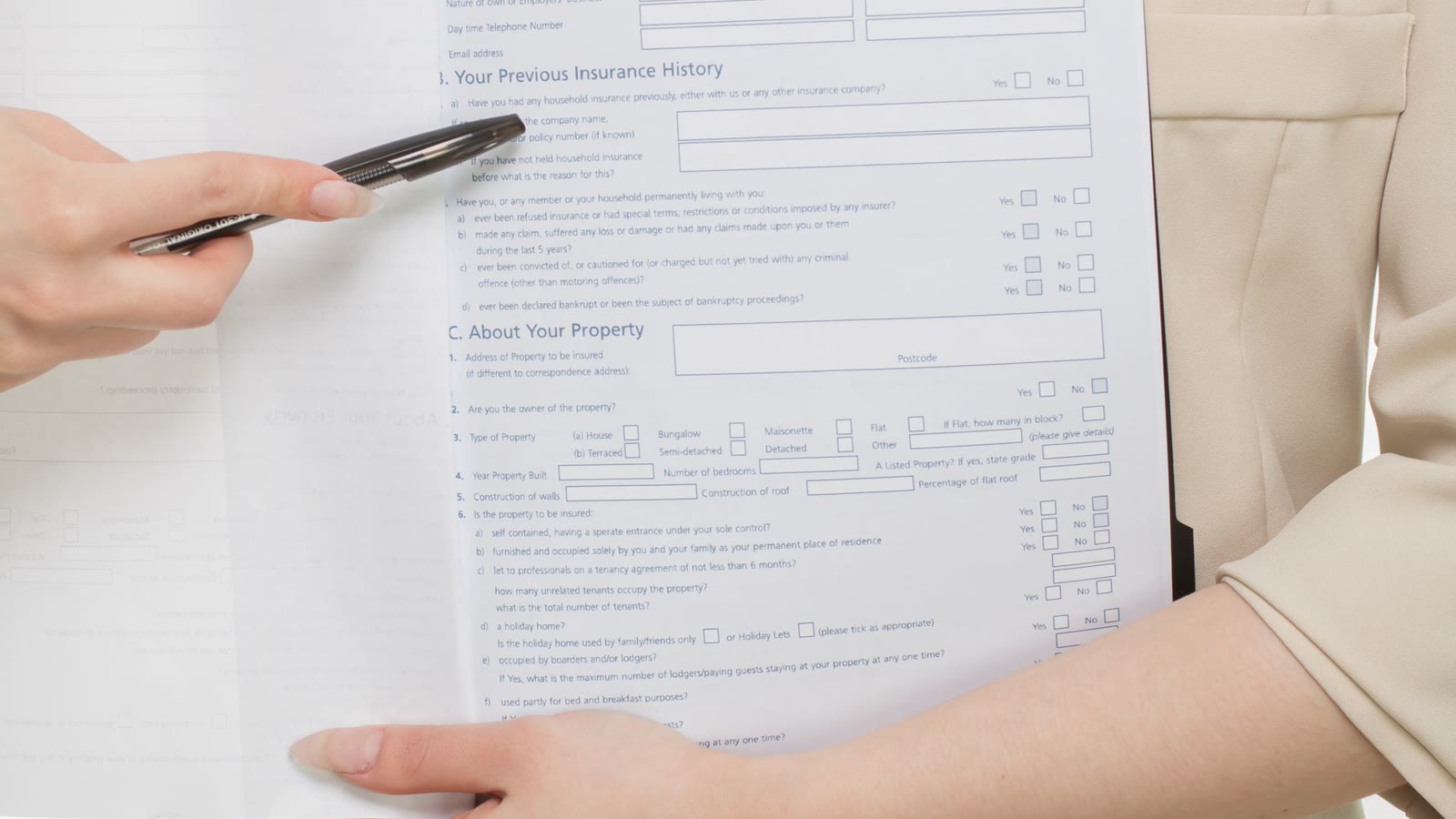
Car Insurance for New Drivers: What to Know in 2026
Car insurance for new drivers: why teens pay $4,000 a year, how to cut the cost by half, the best insurers for young drivers, and the discounts that actually
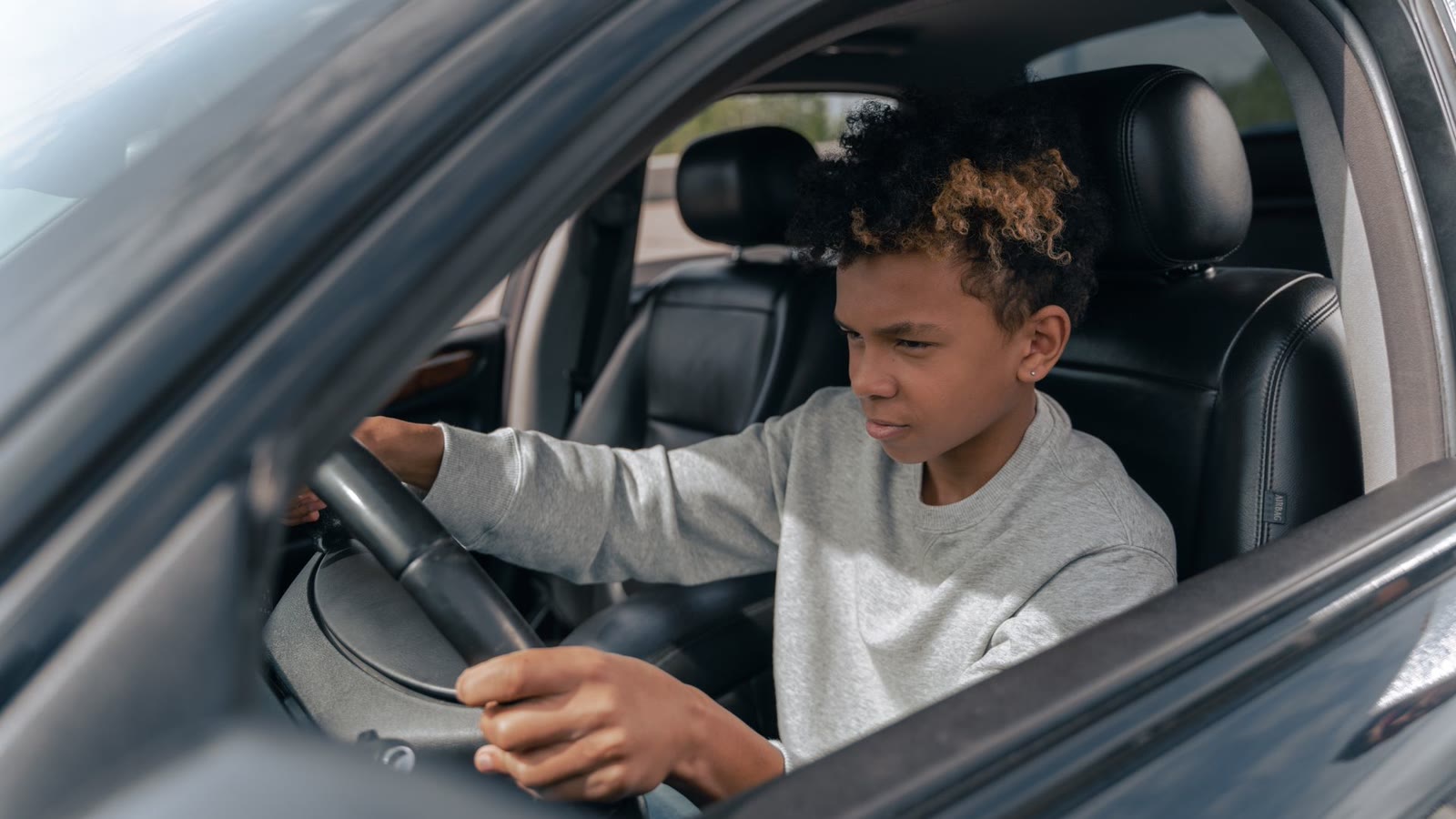
Photo: Pexels
Why new drivers pay so much for insurance
A new driver pays more for car insurance than any other group, and the reason is risk. Drivers under 25 are involved in more accidents per mile than any other age group, and teen drivers are three times more likely to be in a fatal crash than drivers over 20. Insurers price that risk into the premium, and the result is an average of about $4,000 a year for full coverage for a 16-year-old driver.
The cost falls quickly with age and experience. An 18-year-old pays about $3,500 a year, a 21-year-old pays about $2,500, and a 25-year-old pays about $1,800. Each year of clean driving reduces the premium, and by age 25, a driver with a clean record pays roughly the same as any adult. The first three years are the most expensive, and the cost drops by about 15 percent a year.
Gender matters too, though less than it used to. Young men pay about 10 to 15 percent more than young women, because they are statistically more likely to be in an accident. Some states, including California, Hawaii, Massachusetts, Michigan, Montana, North Carolina, and Pennsylvania, prohibit insurers from using gender in pricing.
The cheapest way to insure a new driver
The cheapest option is almost always to add the new driver to a parent's policy, rather than buying a separate policy. A separate policy for a 16-year-old costs about $5,000 to $6,000 a year, while adding the same teen to a parent's policy costs about $2,000 to $3,000 extra — a saving of roughly 50 percent. The parent's policy also gives the teen access to the parent's discounts, including multi-car and bundling discounts.
The car matters enormously. Insuring a teen on a 10-year-old Honda Civic costs about $2,500 a year, while insuring the same teen on a new Ford Mustang costs about $5,000. Sports cars, luxury cars, and high-horsepower vehicles are the most expensive to insure for new drivers. The cheapest cars to insure for teens are older sedans with strong safety ratings, like the Honda Civic, Toyota Corolla, and Subaru Impreza.
Assign the teen to the cheapest car on the policy. Insurers rate each driver on a specific car, and assigning the teen to the family's oldest, safest car — rather than the newest SUV — can save $500 to $1,000 a year. The teen can still drive the other cars occasionally, but the primary assignment determines the rate.
Discounts that actually work for new drivers
The good student discount is the most valuable discount for teen drivers, saving 10 to 25 percent for students with a B average or better. On a $3,000 premium, that is $300 to $750 a year — and it is free to claim. Ask your insurer what documentation they need, usually a report card or a transcript, and submit it every semester.
Driver's education is the second-biggest saving. Completing an approved driver's education course can save 5 to 15 percent, and it is required in some states for drivers under 18. A defensive driving course adds another 5 to 10 percent, and it teaches skills that reduce the chance of an accident — which saves far more than the discount.
Telematics programs are the third option. Programs like State Farm Drive Safe and Save and Progressive Snapshot track the new driver's speed, braking, and phone use, and they offer discounts of 10 to 30 percent for safe driving. For a teen driver, telematics can save $500 to $1,000 a year, and the feedback helps them become a safer driver.
The best insurers for new drivers
The cheapest insurer for a new driver varies by state, but several companies consistently offer competitive rates for young drivers. State Farm is often the cheapest for teens, thanks to its good student discount and its telematics program. Geico is competitive for young adults, and USAA is the cheapest option for military families — if you qualify, it is almost always the best deal.
Erie Insurance, available in 12 states, offers some of the lowest rates for teen drivers, and it includes accident forgiveness after three years. American Family is competitive in the Midwest, and Nationwide offers a strong telematics program. The only way to know which is cheapest for you is to get quotes from at least five companies — the difference can be $1,000 or more a year.
Avoid the temptation to buy the cheapest policy without checking the coverage. A policy with state-minimum liability limits leaves a teen driver exposed in a serious accident, and the family could be liable for damages beyond the policy. Make sure the policy has at least $100,000 per person and $300,000 per accident in liability coverage, plus uninsured motorist coverage.
What new drivers should know about coverage
Liability coverage is required by law, and it pays for damage you cause to others. Collision coverage pays to repair your car after an accident, and comprehensive coverage pays for theft, vandalism, and weather damage. If the car is financed, the lender requires full coverage. If the car is owned outright and worth less than $4,000, liability-only may be enough.
Uninsured motorist coverage is especially important for new drivers, because it pays for your injuries and car repairs if an uninsured driver hits you. About 13 percent of drivers are uninsured, and the coverage costs only $50 to $100 a year. Make sure it is included in the policy.
Parents should also consider an umbrella policy. If a teen driver causes a serious accident, the damages can exceed the auto policy limits, and the family's assets — the house, the savings — are at risk. An umbrella policy adds $1 million in liability coverage for about $150 to $300 a year, and it is the best protection a family with a teen driver can buy.
How to cut the cost as the driver gains experience
The premium drops every year the new driver stays clean. After one year without a claim or a ticket, the premium typically falls by 10 to 15 percent. After three years, it falls by 25 to 30 percent. After five years, a driver with a clean record pays roughly the adult rate. The key is to avoid tickets and accidents in the first three years, when the premium is highest and the consequences are steepest.
A single speeding ticket can raise a new driver's premium by 20 to 30 percent for three years, and an at-fault accident can raise it by 40 percent or more. Some insurers offer accident forgiveness after three years of safe driving, which prevents the first accident from raising the rate. Ask your insurer if it is included or available.
At age 25, shop for insurance again. The 25-year-old rate drop is real — premiums fall by about 15 percent — and the cheapest insurer at 21 may not be the cheapest at 25. Get fresh quotes from five companies, compare the same coverage, and switch if the saving is $200 or more a year. Loyalty rarely pays in car insurance.
Frequently asked questions
How much does car insurance cost for a new driver?
A 16-year-old driver pays about $4,000 a year for full coverage on a parent's policy, or $5,000 to $6,000 for a separate policy. An 18-year-old pays about $3,500, a 21-year-old pays about $2,500, and a 25-year-old with a clean record pays about $1,800. The cost falls by about 15 percent a year with clean driving.
Is it cheaper to add a teen to a parent's policy?
Yes, by about 50 percent. Adding a 16-year-old to a parent's policy costs about $2,000 to $3,000 extra a year, while a separate policy for the same teen costs $5,000 to $6,000. The parent's policy also gives the teen access to multi-car and bundling discounts.
What is the cheapest car to insure for a new driver?
Older sedans with strong safety ratings are the cheapest to insure for new drivers — a 10-year-old Honda Civic, Toyota Corolla, or Subaru Impreza costs about $2,500 a year for a teen. Sports cars, luxury cars, and new SUVs cost two to three times as much to insure for the same driver.
Does the good student discount really save money?
Yes. The good student discount saves 10 to 25 percent for students with a B average or better, which is $300 to $750 a year on a typical teen premium. Submit a report card or transcript to your insurer every semester to keep the discount active.
Should a new driver get full coverage or liability only?
If the car is financed, full coverage is required. If the car is owned outright and worth more than $4,000, full coverage is usually worth it for a new driver, since they are more likely to have an accident. If the car is worth less than $4,000, liability-only saves about $1,600 a year.
How can a new driver lower their insurance rate?
Take driver's education, maintain a B average for the good student discount, use a telematics program, drive a safe and inexpensive car, stay on a parent's policy, and keep a clean driving record. Each year without a ticket or claim reduces the premium by 10 to 15 percent.
Car prices and estimates on this page change often and are based on public information available in November 2026. Always verify the price, features and availability with a dealer before you buy. This article is for general information only and is not financial advice. Read the full Disclaimer.