Upcoming 2027 Electric Cars and SUVs
Upcoming 2027 electric cars and SUVs: expected range, prices, charging speeds, and release windows for the Rivian R2, Hyundai Ioniq 9, Kia EV3, and more.
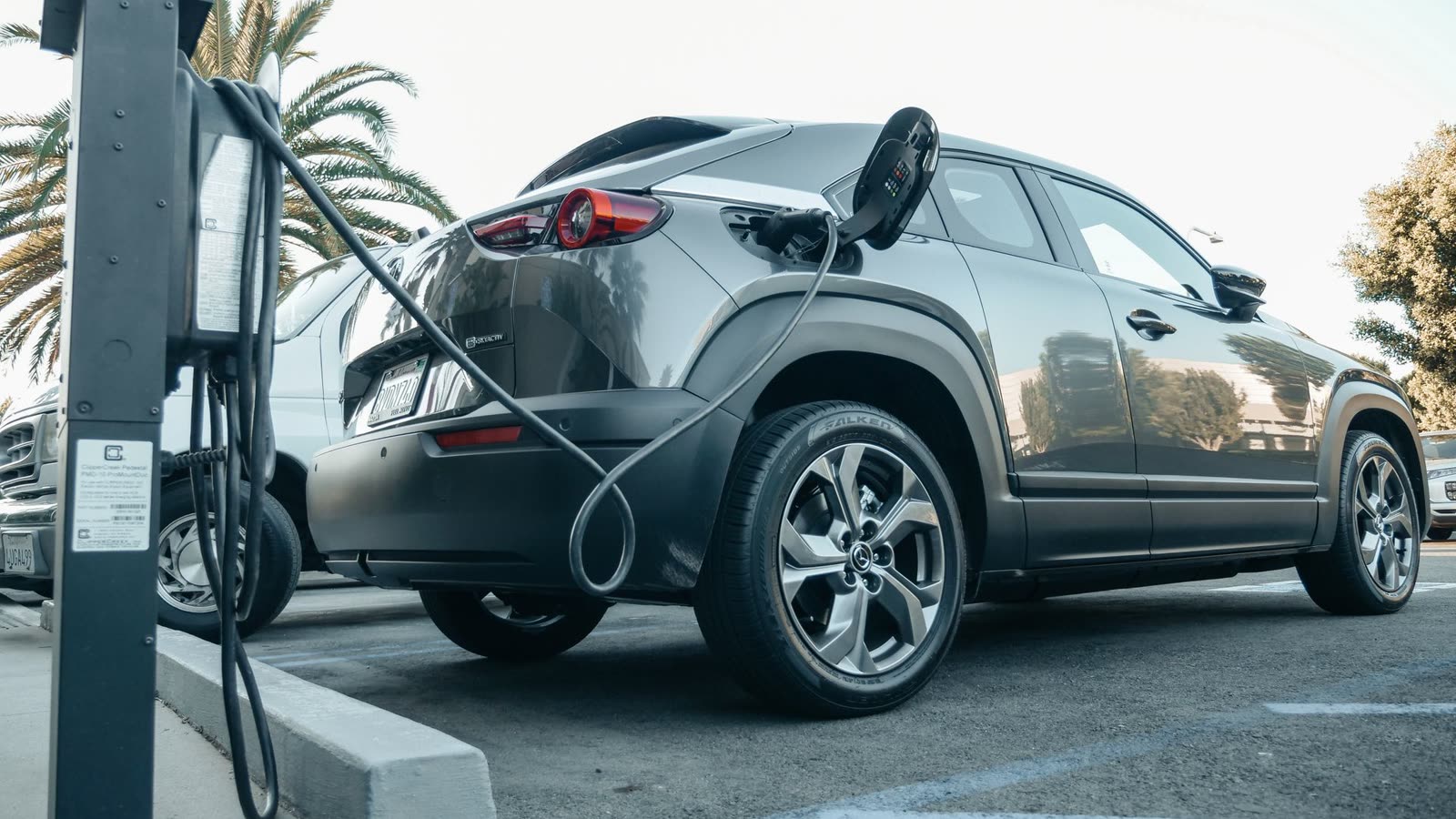
Photo: Pexels
A note on 2027 EVs: expected figures, not confirmed
Every electric car in this guide is a 2027 model that has not launched yet. The prices, ranges, charging speeds, and release dates below are expected figures based on manufacturer announcements, industry reporting, and the specifications of related models. They are estimates, not confirmed facts, and they will change as the launch dates approach. Check the manufacturer's website for confirmed figures before you make a buying decision.
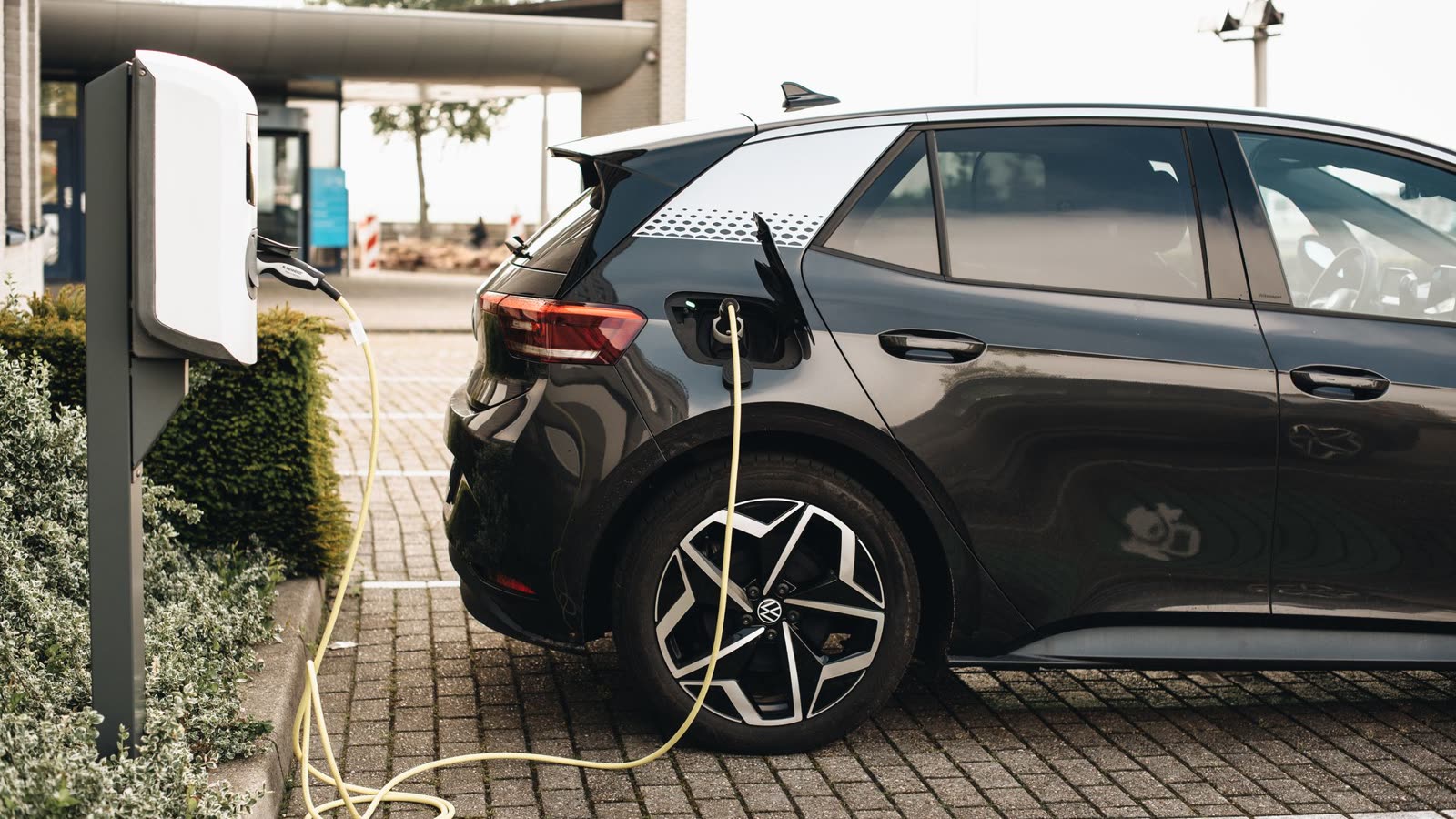
The photo on this page is representative. Exact photos of the 2027 electric cars and SUVs are not available yet because the models have not launched, so the image shows a representative electric SUV rather than the specific 2027 model described. The same applies to every 2027 article on this site.
That said, 2027 is expected to be a breakthrough year for electric cars. Battery costs have fallen, charging speeds have improved, and the number of EVs under $40,000 is growing. The 2027 models below are the ones that could make electric cars mainstream — affordable, long-range, and easy to charge. If you have been waiting for the right EV, 2027 may be the year.
Rivian R2: the $45,000 electric SUV
The Rivian R2 is expected to be the most important electric car of 2027. Rivian has announced an expected starting price of about $45,000, an expected range of about 300 miles, and an expected release window in the first half of 2027. The R2 is expected to be a midsize SUV with seating for five, a spacious interior, and Rivian's excellent driver-assist system.
The R2 is expected to use Rivian's new 4695 battery cells, which are larger and more energy-dense than the cells in the R1S, and a new platform that is cheaper to build. The expected charging speed is about 200 kW, which would add about 140 miles of range in 15 minutes at a fast charger. The R2 is also expected to use the NACS connector, giving it access to Tesla's Supercharger network.
The R2's expected price of $45,000 undercuts the Tesla Model Y by a few thousand dollars, and its expected range of 300 miles matches the Model Y Long Range. If Rivian delivers on these figures, the R2 will be one of the best electric SUVs you can buy, and it will pressure every other manufacturer to lower prices. The waiting list is already long, so expect to reserve early.
Hyundai Ioniq 9 and Kia EV3: the big and the small
The Hyundai Ioniq 9 is expected to be Hyundai's flagship electric SUV, with an expected starting price of about $60,000, an expected range of about 335 miles, and seating for six or seven. It is expected to use Hyundai's 800-volt architecture, which allows charging at up to 250 kW, taking the battery from 10 to 80 percent in about 20 minutes. The expected release window is early 2027, and the Ioniq 9 is expected to compete with the Kia EV9 and the Rivian R1S.
The Kia EV3 is expected to be the opposite: a compact electric SUV with an expected starting price of about $32,000 and an expected range of about 300 miles. The EV3 is expected to be one of the cheapest electric SUVs with over 300 miles of range, and it is expected to qualify for the federal tax credit, which could bring the effective price under $25,000 for eligible buyers. The expected release window is early 2027.
The EV3 matters because it could be the first electric SUV that is genuinely affordable for mainstream buyers. A $32,000 electric SUV with 300 miles of range, a spacious interior, and Kia's 10-year warranty is a compelling package, and it could do for electric cars what the Kia Telluride did for three-row SUVs — make a premium product accessible. If the EV3 delivers on its expected figures, it will be one of the best-selling EVs of 2027.
Chevrolet Bolt 2027 and other affordable EVs
The Chevrolet Bolt is expected to return for 2027 as a compact electric SUV, with an expected starting price of about $30,000 and an expected range of about 300 miles. The new Bolt is expected to use GM's Ultium battery platform and to charge at up to 150 kW, a significant improvement over the old Bolt's 55 kW limit. The expected release window is late 2026, and the Bolt is expected to qualify for the federal tax credit.
The Bolt's return matters because it was the cheapest electric car in America before it was discontinued, and its absence left a gap in the market. A $30,000 Bolt with 300 miles of range and fast charging would be the most affordable long-range EV available, and it would make electric cars accessible to buyers who cannot afford a $40,000 Tesla or Hyundai.
Other affordable EVs expected for 2027 include the Nissan Leaf replacement, with an expected starting price of about $30,000 and an expected range of about 300 miles, and the Volkswagen ID.2, a compact electric hatchback with an expected starting price of about $28,000. The ID.2 is expected to arrive in Europe first, with a US launch expected in late 2027 if it comes at all. The trend is clear: electric cars are getting cheaper, and 2027 is the year they reach mainstream prices.
Charging and range: what to expect in 2027
Charging speeds are improving rapidly. The 2027 EVs in this guide are expected to charge at 150 to 250 kW, which adds 100 to 150 miles of range in 15 minutes at a fast charger. That is fast enough that a road-trip charging stop is about as long as a coffee break, and it removes the biggest objection to electric cars — the time spent charging on long trips.
Range is also improving. The expected ranges in this guide — 300 to 335 miles — are 50 to 100 miles more than the equivalent EVs from three years ago, and they are enough for a week of commuting without charging. Real-world range is typically 10 to 20 percent lower than the EPA figure in cold weather, so a 300-mile EV delivers about 240 to 270 miles in winter — still plenty for most drivers.
The charging network is expanding too. Tesla's Supercharger network now has over 30,000 stalls in North America, and it is open to most new EVs through the NACS connector. The federal government is funding thousands of new fast chargers along highways, and the number of public chargers is expected to double by 2027. Charging an EV is getting easier every year.
Should you wait for a 2027 EV, or buy now?
Waiting makes sense if you want one of the specific models in this guide — the Rivian R2, the Kia EV3, or the new Chevrolet Bolt — and if your current car is still reliable. These are new models with expected prices and ranges that are significantly better than what is available today, and the wait of six to twelve months could be worth it.
Buying now makes sense if you need a car immediately, if you can get a good deal on a 2026 EV, or if the 2027 model is not yet confirmed. Dealers are discounting 2026 EVs aggressively — $5,000 to $10,000 off the sticker price is common on models like the Ford Mustang Mach-E and the Hyundai Ioniq 5 — and the federal tax credit of up to $7,500 still applies to many models. A discounted 2026 EV can be a better deal than a full-price 2027 EV.
The best approach is to compare the expected 2027 price and range against the discounted 2026 price, and to consider the tax credit. If the 2027 model offers 50 more miles of range and a lower price, wait. If the 2026 model is available now at a $7,000 discount with the tax credit, buy it. Either way, electric cars are getting better and cheaper every year, and there is no wrong time to go electric — only a better time.
Frequently asked questions
What is the most anticipated electric car of 2027?
The Rivian R2 is the most anticipated, with an expected starting price of about $45,000 and an expected range of about 300 miles. The Kia EV3, with an expected price of about $32,000 and 300 miles of range, is the most anticipated affordable EV. Both are expected in the first half of 2027, though prices and dates are not confirmed.
How much will the Kia EV3 cost?
The Kia EV3 is expected to start at about $32,000, with an expected range of about 300 miles. It is expected to qualify for the federal tax credit, which could bring the effective price under $25,000. The expected release window is early 2027, but the final price has not been confirmed.
What is the expected range of 2027 EVs?
Most 2027 EVs are expected to offer 300 to 335 miles of range, including the Rivian R2 (about 300 miles), the Kia EV3 (about 300 miles), the Chevrolet Bolt (about 300 miles), and the Hyundai Ioniq 9 (about 335 miles). Real-world range is typically 10 to 20 percent lower in cold weather.
Will 2027 EVs charge faster?
Yes. The 2027 models in this guide are expected to charge at 150 to 250 kW, adding 100 to 150 miles in 15 minutes at a fast charger. The Hyundai Ioniq 9 is expected to charge at up to 250 kW, taking the battery from 10 to 80 percent in about 20 minutes.
Are the prices in this article confirmed?
No. All prices, ranges, and release dates for 2027 electric cars are expected figures based on manufacturer announcements and industry reporting. The models have not launched yet, so the final figures may differ. Check the manufacturer's website for confirmed pricing as the launch date approaches.
Should I wait for a 2027 EV or buy a 2026 model?
Wait if you want a specific 2027 model like the Rivian R2 or Kia EV3 and your current car is reliable. Buy now if you need a car immediately or if you can get a good deal — dealers are discounting 2026 EVs by $5,000 to $10,000, and the federal tax credit of up to $7,500 still applies to many models.
Car prices and estimates on this page change often and are based on public information available in November 2026. Always verify the price, features and availability with a dealer before you buy. This article is for general information only and is not financial advice. Read the full Disclaimer.