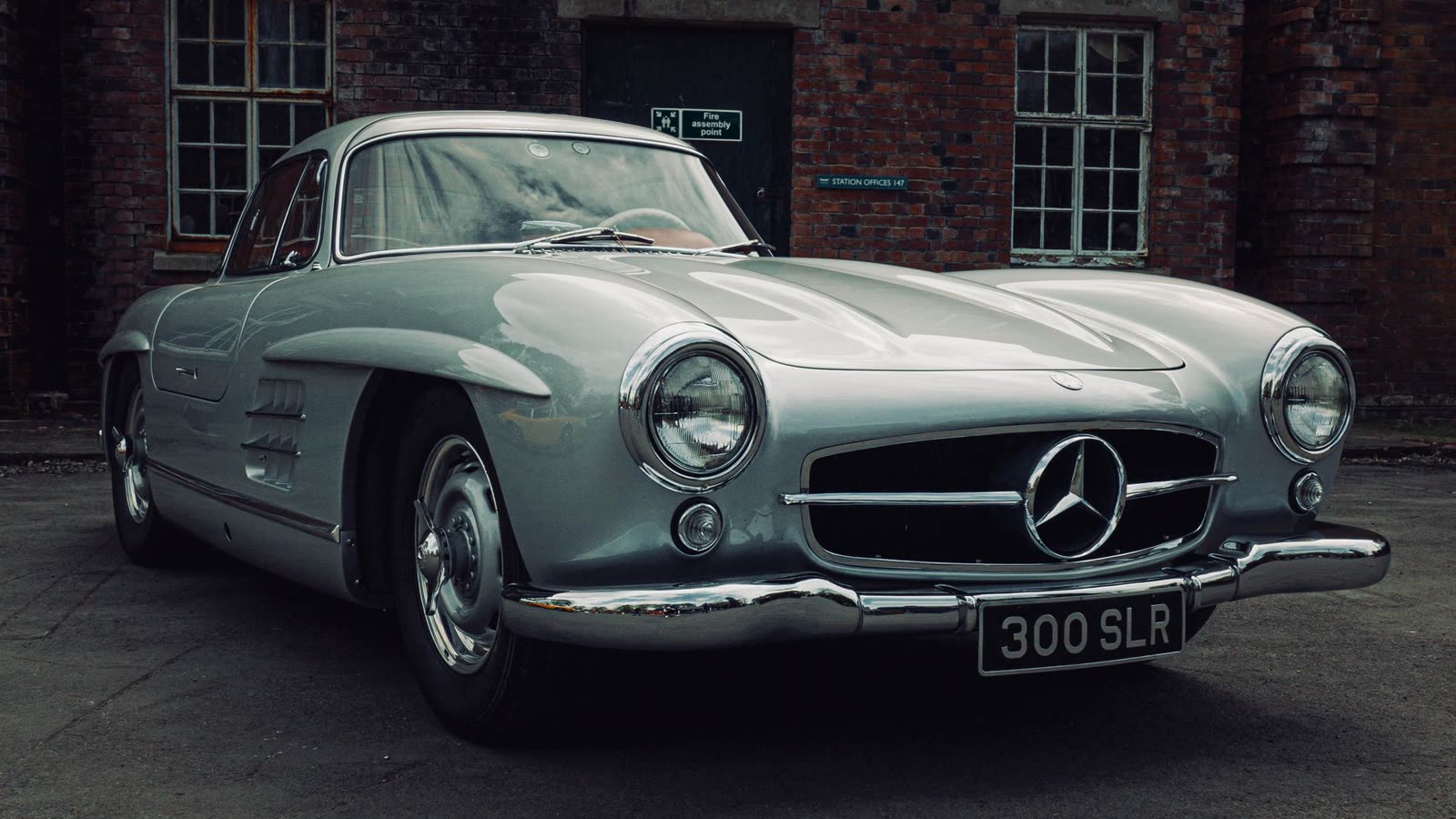
Buying a Classic Car: The Complete Guide
Buying a classic car guide: how to choose the right car, inspect for rust, check paperwork and matching numbers, set a budget, and insure and store your
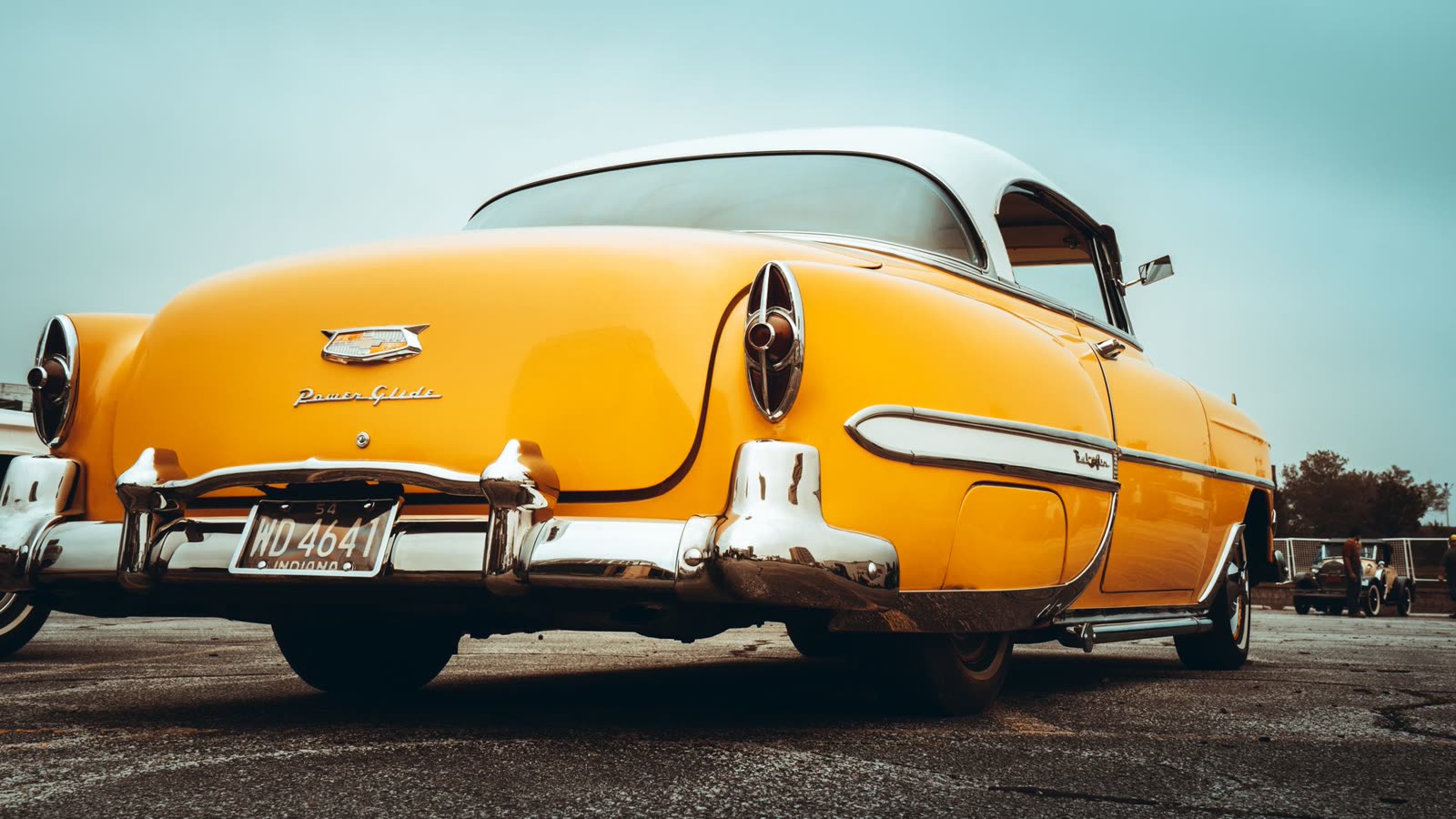
Photo: Pexels
Choose the right classic car for you
The first decision is what kind of classic car you want, and the answer depends on why you are buying it. If you want a weekend cruiser, a 1960s Ford Mustang or a Chevrolet Corvette offers style and fun for $25,000 to $50,000. If you want an investment, a Porsche 911 or a Ferrari from the 1970s and 1980s has appreciated steadily, but it costs $60,000 or more. If you want a project, a $10,000 car that needs work can be rewarding — if you have the skills and the space.
Buy a car you love, not a car you think will appreciate. The classic car market is unpredictable, and a car bought as an investment can lose value if tastes change. A car you love is worth owning even if it never appreciates, while a car you bought for profit is a disappointment if it does not. Drive the cars you are considering, sit in them, and see which one makes you smile.
Consider parts availability before you buy. A Ford Mustang or Chevrolet Camaro has a huge aftermarket — every part is available, often new, and any mechanic can work on it. A rare European car like a Jaguar E-Type or an Alfa Romeo has expensive parts, long waits, and few specialists. The most enjoyable classic is the one you can actually drive, not the one that sits in the garage waiting for a part from Italy.
Set a realistic budget — including the hidden costs
The purchase price is only the beginning. A classic car needs insurance, storage, maintenance, and repairs, and the total cost of ownership can exceed the purchase price within a few years. Budget $1,500 to $3,000 a year for maintenance on a driver-quality classic, and $3,000 to $5,000 a year for a car that needs work. A full restoration can cost $30,000 to $100,000, which is why buying a finished car is usually cheaper than restoring a project.
Classic car insurance is surprisingly affordable — typically $300 to $600 a year for agreed-value coverage, versus $2,000 or more for a modern car. The catch is that most classic policies require the car to be stored in a locked garage and driven under 5,000 to 7,500 miles a year. If you plan to drive the car daily, you need a regular policy, which costs more.
Storage matters. A classic car stored outdoors deteriorates quickly — rust, faded paint, cracked rubber, and a ruined interior. A garage is essential, and a climate-controlled garage is better. If you do not have a garage, factor the cost of renting one — $100 to $200 a month — into your budget before you buy.
Inspect for rust: the deal-breaker
Rust is the single most important thing to check on a classic car, and it is the most expensive problem to fix. A rusty frame or floor pan can cost $5,000 to $10,000 to repair properly, and a car with structural rust is not worth buying at any price. Check the frame rails, the floor pans, the rocker panels, the trunk floor, and the wheel arches — these are the areas that rust first, and they are the areas that are hardest to repair.
Bring a magnet and a flashlight. A magnet that does not stick to a body panel means the panel is filled with body filler, not metal — a sign of a previous rust repair or accident damage. Tap the panels and listen: solid metal rings, while filler thuds. Check under the carpets and in the trunk, where rust hides, and look for bubbling paint, which is rust pushing through from underneath.
Hire a specialist inspector if you are spending more than $20,000. A pre-purchase inspection by a mechanic who knows the model costs $300 to $500, and it can reveal rust, accident damage, and mechanical problems that a general inspection misses. The inspector should put the car on a lift and check the underbody thoroughly. It is the best money you will spend.
Paperwork, matching numbers, and title
The paperwork is as important as the car. Make sure the title is clean — not salvage, not rebuilt, and in the seller's name. Check the vehicle identification number on the title against the VIN plate on the car, and make sure they match. A car with a title problem can be impossible to register, and it is worth far less than a car with clean paperwork.
Matching numbers means the engine, transmission, and major components are the original ones the car was built with, as indicated by the VIN and the build sheet. A matching-numbers car is worth 20 to 50 percent more than a car with a replacement engine, because collectors value originality. Check the engine number against the build sheet or the manufacturer's records — the numbers are stamped on the engine block, and they should match the car's documentation.
Ask for the car's history: previous owners, service records, restoration photos, and receipts. A car with a documented history is worth more and is easier to sell later. Be wary of a seller who cannot provide any history — it may mean the car was neglected, or that the seller is hiding something. A classic car with a thick folder of records is a car that was loved.
Where to buy, and how to negotiate
The best places to buy a classic car are specialist dealers, classic car auctions, and enthusiast clubs. A specialist dealer inspects the car, offers a warranty, and knows the model — but charges a premium of 10 to 20 percent. Auctions like Bring a Trailer and Mecum offer a wide selection and transparent bidding, but you buy as-is, and the fees add 5 to 10 percent to the price.
Private sellers are often the best value, because there is no dealer markup, and the seller usually knows the car's history. Enthusiast clubs and forums are good places to find private sellers, and club members are often honest about a car's condition. Avoid buying a classic car sight unseen from a classified ad — always inspect the car in person, or hire an inspector to do it for you.
Negotiate based on condition, not on emotion. Research recent sale prices for the same model and condition on Bring a Trailer and Hagerty's valuation tool, and use those numbers as your guide. Every flaw the inspection finds — rust, worn tires, a leaking seal, a non-working gauge — is a reason to negotiate the price down. A seller who will not negotiate is a seller who is asking too much.
After you buy: insurance, storage, and driving
Insure the car with agreed-value coverage, which pays the full agreed value if the car is totaled, rather than the depreciated actual cash value. Companies like Hagerty, Grundy, and American Collectors specialize in classic car insurance, and they offer agreed-value policies for $300 to $600 a year. Get the car appraised if it is worth more than $50,000, so the agreed value reflects the real market.
Store the car properly. Keep it in a dry garage, on a battery tender, with the tires inflated and the fuel tank full with fuel stabilizer if it will sit for months. Start the engine every two weeks and let it warm up, or better yet, drive the car — classic cars deteriorate when they sit, and regular driving keeps the seals, the brakes, and the engine in good condition.
Drive it. A classic car that sits in a garage is a depreciating asset and a missed experience. Take it to car shows, join a club, drive it on a sunny Sunday morning. The joy of a classic car is in the driving — the sound, the smell, the feel of the road through a steering wheel with no power assistance. That is what you bought it for.
Frequently asked questions
How much does a classic car cost?
A driver-quality classic car costs $15,000 to $40,000, while a show-quality car costs $50,000 to $100,000 or more. A project car can cost $5,000 to $15,000, but a full restoration typically costs $30,000 to $100,000. Budget $1,500 to $3,000 a year for maintenance on top of the purchase price.
What should I check before buying a classic car?
Check for rust on the frame, floor pans, rocker panels, and trunk floor — it is the most expensive problem to fix. Verify the title is clean, check that the engine numbers match the car's documentation, and hire a specialist inspector for $300 to $500 if you are spending more than $20,000.
Is a classic car a good investment?
Some are, most are not. A Porsche 911 or Ferrari from the 1970s has appreciated well, but most classic cars appreciate slowly or not at all after maintenance and storage costs. Buy a classic car because you love it, not because you expect to profit — the enjoyment is the return.
How much does classic car insurance cost?
Classic car insurance with agreed-value coverage typically costs $300 to $600 a year, versus $2,000 or more for a modern car. Most policies require the car to be stored in a locked garage and driven under 5,000 to 7,500 miles a year. Companies like Hagerty and Grundy specialize in classic coverage.
What does matching numbers mean?
Matching numbers means the engine, transmission, and major components are the original ones the car was built with. A matching-numbers car is worth 20 to 50 percent more than a car with a replacement engine, because collectors value originality. Check the stamped numbers against the car's build sheet.
Where is the best place to buy a classic car?
Specialist dealers, classic car auctions like Bring a Trailer and Mecum, and enthusiast clubs are the best sources. Private sellers often offer the best value. Always inspect the car in person or hire a specialist inspector — never buy a classic car sight unseen from a classified ad.
Car prices and estimates on this page change often and are based on public information available in November 2026. Always verify the price, features and availability with a dealer before you buy. This article is for general information only and is not financial advice. Read the full Disclaimer.